Don’t Let a Neurological Disorder, an Injury, or Aging Stop You from Walking
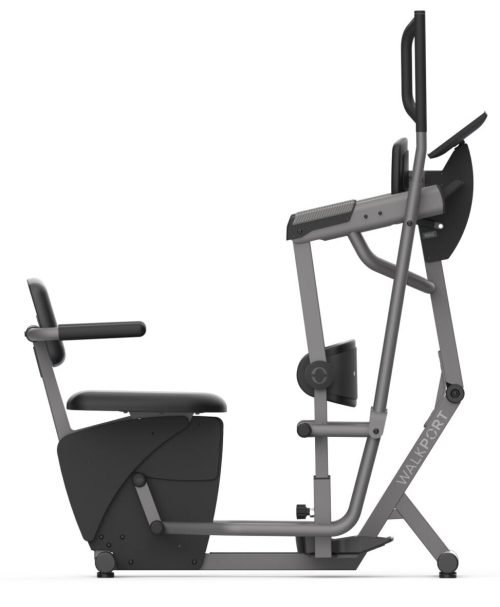
WalkPort is a safe, supportive walking station designed to help individuals regain mobility. It improves stability while allowing natural movement, making it easier to rebuild strength, balance, and confidence.
You know how important walking is for your health, energy and independence, and losing the ability to walk was not your choice. Lack of mobility is a villain that can rob years from your life.
WHO WE ARE
We understand how frustrating it is when you need help to stand and walk.
We also know you should walk daily for health and restoration, and it needs to be safe and easy. Our design team has over 25 years of experience designing durable medical equipment for homes and rehabs. After extensive design and testing we are pleased to introduce WalkPort, the best supported walk station for your home.
It is our mission to help you restore your ability to walk.
INTRODUCING WALKPORT
The Easy-to-Use Supported Walk Station
Stand
Transfer to the powered seat and be lifted to a standing position fully supported.
Position Legs
The powered leg transfer will position your legs for walking.
Walk
Simply start walking using your arms to move your legs or use your legs if you are able or use both. You are fully supported throughout the walk cycle.
WALKPORT APP
Your Guide to Restoring Health
Stay motivated with an easy-to-use app that tracks your walking progress, include steps, steps per minute, average pace, and total time walking. Follow Alex in real time as he mirrors your leg and arm movements for added engagement.
HEALTH BENEFITS
The Healing Power of Walking
Walking heals the body and calms the mind. It builds strength, improves circulation, supports joint health, and boosts mood. For recovery, chronic conditions, or everyday wellness, walking is a simple way to reclaim mobility and feel better with every step.
DISCOVER WALKPORT
The Assistance You Need
Discover how WalkPort can make assisted walking easier to manage.
LUANNE’S STORY
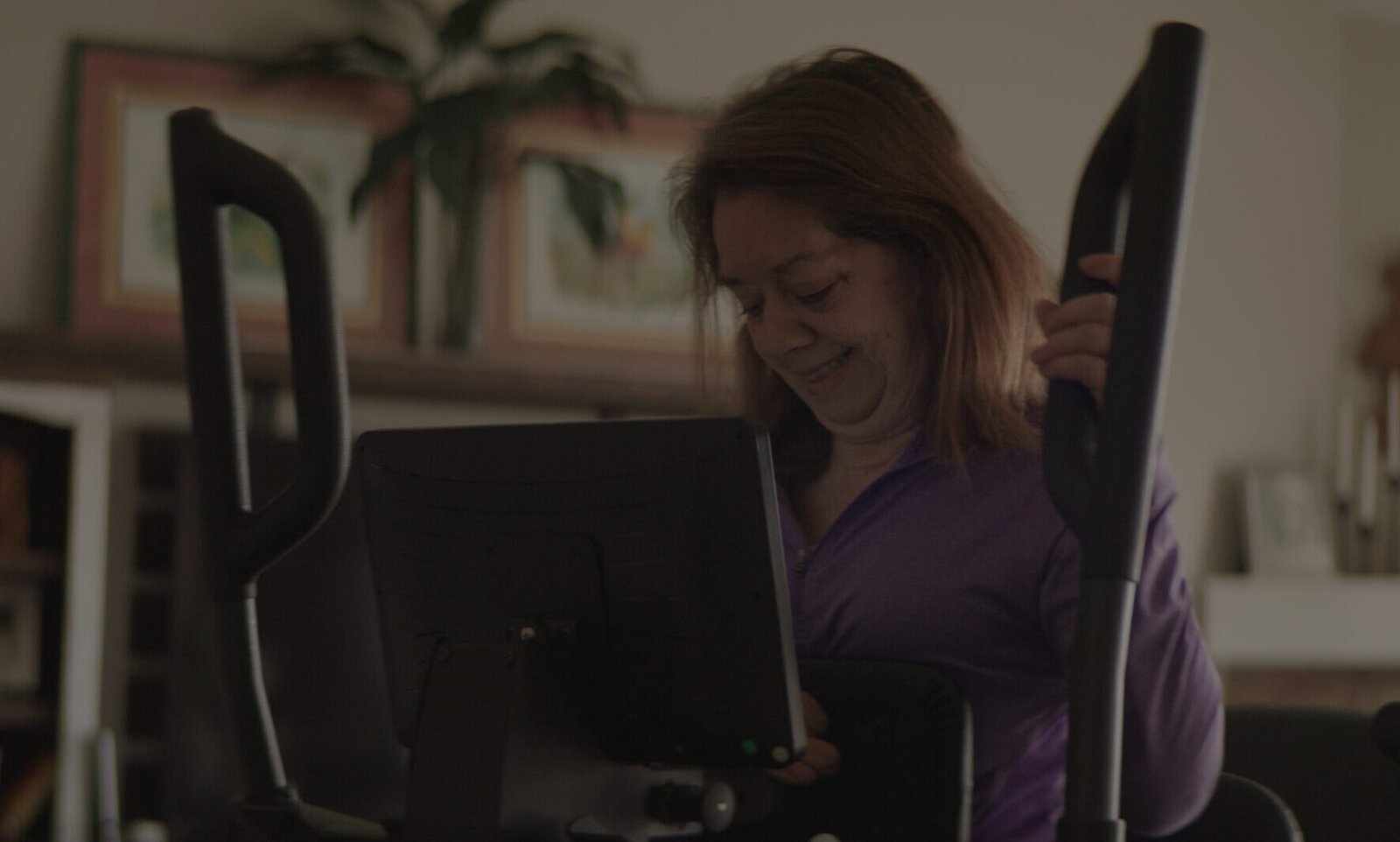
LuAnne was very empowered seeing how much progress she was making on her own!
LuAnne suffered an aneurysm over 4 years ago that left her with right side paralysis. She was able to use a WalkPort prototype for 30 days in her home. Her husband and caretaker, Kevin, provided us with his perspective of the product.
“In the end, LuAnne was able to gain muscle in her right leg and increase her stamina. Towards the end of our 30 days, we had to limit LuAnne to an hour in the evening sessions as she was enjoying it so much.” ~ Kevin
TESTIMONIALS
Real Experiences from WalkPort Users
“The WalkPort was easy to use and I felt safe, but most importantly it gave me a sense of hope. The moment I stood up an immense sense of power took over me. It felt amazing to move my entire body again.”
Joseph K,
SCI T12
“The WalkPort bridges the gap in Neuro Rehab. It allows clients the ability to capitalize on locomotor training principles independently at home, maximizing compliance and results.”
Heather S,
PT, DPT
“I notice tingling in my feet while walking in the WalkPort, I would do this every day.”
Sam,
SCI L1
WALKPORT DEMOS
Experience WalkPort Your Way
Join a live webinar, schedule an in-person trial, or watch a demo on your time.
LATEST NEWS AND UPDATES
Be among the first to experience WalkPort – your supported walk station for home.
Sign up for the latest on product availability, exclusive offers, special campaigns, and more.