
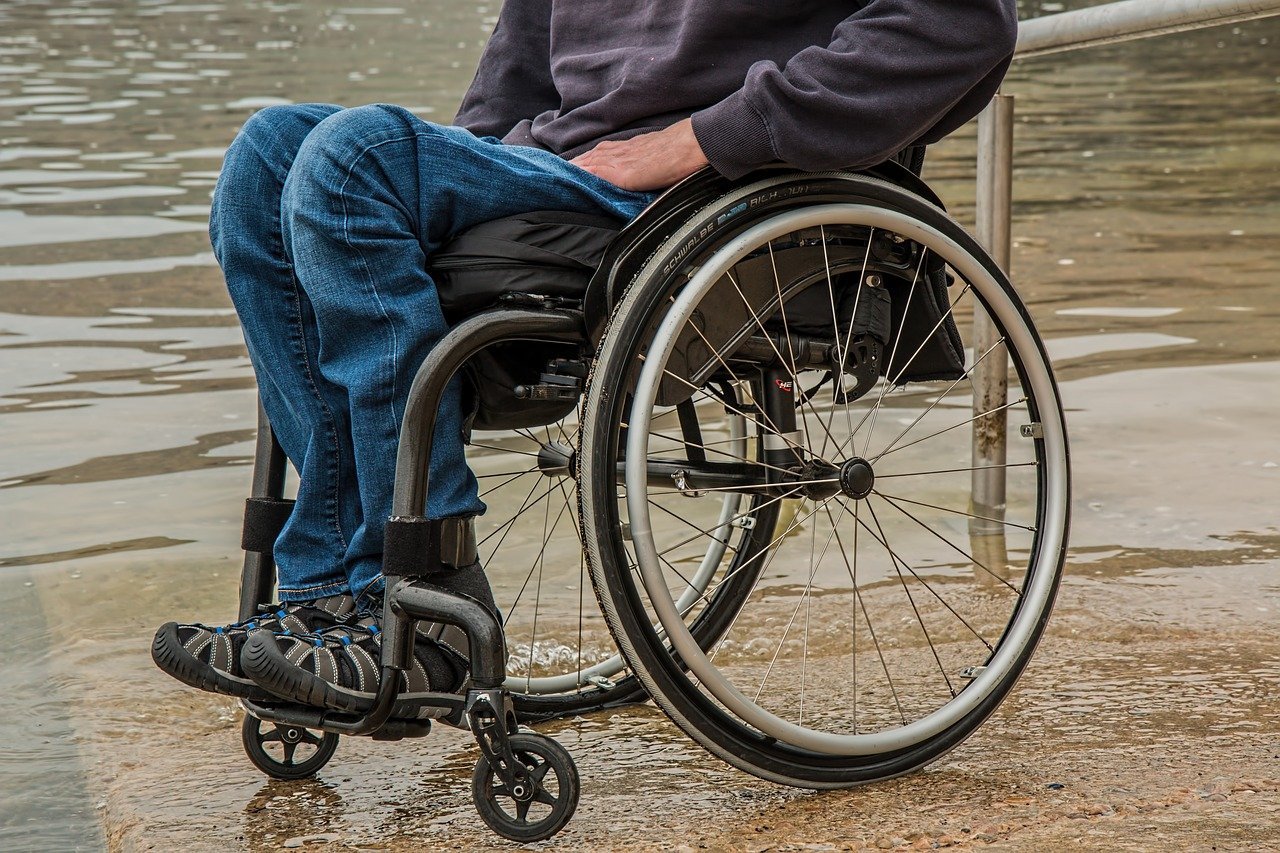
Building Core Strength: A Path to Better Stability and Balance for Wheelchair Users

When facing mobility challenges, finding stability and balance can feel like an uphill battle. Yet, there’s hope and power in knowing that even when standing or walking isn’t an option, you can still build the core muscles essential for a secure and balanced life. At Medthera Inc., we understand firsthand the hurdles you’ve encountered. Our mission is to turn those obstacles into stepping stones towards greater independence and quality of life.

The Core of It All: Why Core Muscles Matter

Your core muscles—comprising the abdominals, lower back, pelvis, and hips—are fundamental for overall stability. These muscles might be out of sight, but they should never be out of mind, especially if you’re using a wheelchair. A strong core enhances your ability to perform daily activities, reduces the risk of falls, and can even help manage or alleviate pain.

Innovative Core Exercises for Wheelchair Users

Seated Marches:

How to: Sit up straight in your wheelchair. Lift one knee towards your chest as high as possible, then lower it back down. Alternate legs.

Benefits: Strengthens lower abdominal muscles and improves hip mobility.

Seated Side Crunches:

How to: Place your hands behind your head or keep them on your lap for support. Lean to the side, aiming your elbow towards your hip, then return to the upright position. Alternate sides.

Benefits: Targets the oblique muscles, helping with side-to-side balance.

Wheelchair Push-Ups:

How to: Place your hands on the armrests. Push your body upwards, lifting your bottom off the seat, then slowly lower back down.

Benefits: Engages the upper body, back, and core, fostering greater overall strength and stability.

Seated Torso Twists: How to:

Sit up straight with feet flat on the floor. Place your hands on your lap or hold a small exercise ball. Twist your torso to the right, back to center, then twist to the left.

Benefits: Enhances flexibility and balance, engaging multiple core muscles.

Empowerment Through Consistency and Support

Building core strength isn’t an overnight process, but with consistency, support, and the right resources, it’s entirely achievable. Here are a few tips to maintain your momentum:

Routine: Incorporate these exercises into your daily routine. Even short, regular sessions can make a substantial difference.

Support System: Involve caregivers, friends, or family members. They can offer physical assistance, encouragement, and motivation.

Stay Motivated: Track your progress, celebrate small victories, and remember that each step forward, no matter how small, is a step towards better balance and stability.

Our Commitment to You

At WalkPort we believe in the power of resilience. We know that with the right tools and support, you have the ability to enhance your stability and balance, leading to a more independent and fulfilling life.
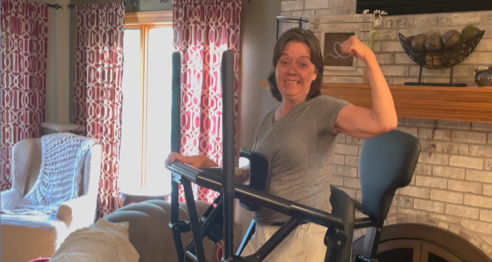
We had the privilege of trying out Medthera’s new WalkPort machine for 30 days. First look at this product had me amazed at how compact it is, while adding more natural leg action into the design that can easily be adapted from a 6-foot patient to my 5-foot 2-inch wife. My wife, LuAnne, has been in physical therapy for 36 months. In that time, we have used 3 different styles of machines, most of which required one or two therapists to get her into. One took over 20 minutes to go from wheelchair to harness to the machine. Once in, one of the therapists would control the speed while the other would make sure LuAnne was OK and, in some cases, moving her leg. WalkPort does a fantastic job of addressing all the problems I have seen in the current style of machines on the market today.

The 3 area’s that I feel make it stand out.

1. The design is so easy to adjust to fit the patient. Once set up, the patient can do as much of the transfer from the wheelchair to the WalkPort as their disability will allow. In our case, LuAnne can roll up to the machine and get into the seat on her own. We have to position her right leg, which is paralyzed, into position and secure her foot. Once that is done, she can get herself to a standing position and start the motion of walking with no assistance from us. This allows her to walk for around a half hour quite easily.

2. The motion of the legs, knee and ankle is so close to actual walking movement, helping her re-establish the motor function of walking in her brain. The muscle gain and stamina were rather noticeable every day with major improvements over the course of our time with WalkPort. Towards the end of our 30 days, we had to limit LuAnne to an hour in the evening sessions as she was enjoying it so much.

3. The last and probably most valuable aspect is the attitude/excitement LuAnne expressed. She was incredibly proud of the work she was doing, especially how much of it she could perform unassisted. She always had a bright smile on her face when using the machine. She had gained such a boost in confidence while doing her exercises, from maneuvering around the machine on her own, to holding a standing position, to starting the motion of walking without assistance. She was very empowered seeing how much progress she was making on her own.

The size of this machine is about one-third the size of the other machines we had tried in the past. The first day we were introduced to the machine, LuAnne was in it and walking on her own within minutes. No motors controlling her stride. The enjoyment we saw on her face was so nice to see. Something else my daughter noticed was LuAnne walking forward for a while, then stopping and starting to walk backwards. I am not a therapist, but this seems to be a big deal to me.

In the end, LuAnne was able to gain muscle in her right leg and increase her stamina. We are still working on her walking on her own, but I am sure using this machine will reduce the time it will take to get to the next level of recovery.