In our fast-paced world, stress and anxiety have become common companions. Finding effective and accessible ways to manage these mental health challenges is crucial, especially for those living with mobility issues. One of the simplest yet profoundly effective methods to boost mental well-being is walking. Even if you’re someone with limited mobility, incorporating walking into your routine—whether outdoors or with assistance—can have significant mental health benefits. Let’s explore how walking can help reduce stress and anxiety, and how you can adapt it to fit your unique needs.
The Mental Health Benefits of Walking
Walking offers a variety of benefits that positively impact mental health:
Stress Relief Through Movement
Physical movement, including walking, stimulates the production of endorphins—our body’s natural mood lifters. These hormones help to reduce the feeling of stress and create a sense of well-being. Regular walking can also lower cortisol levels, the stress hormone, which has been linked to anxiety and depression when elevated over time.
Connection with Nature
Walking outdoors in natural environments—parks, gardens, or simply a neighborhood with trees—fosters a sense of calm and mindfulness. Studies have shown that spending time in nature can reduce symptoms of anxiety, improve mood, and lower mental fatigue. Even short walks in fresh air can make a difference.
Enhances Mindfulness
Walking provides an opportunity to practice mindfulness. Focusing on the rhythm of your steps, the feeling of the ground beneath you, or the sights and sounds around you can bring your attention to the present moment. This helps break the cycle of anxious thoughts and promotes mental clarity.
Improved Sleep
Sleep disturbances are common among people experiencing stress or anxiety. Walking helps regulate circadian rhythms, promoting better sleep. Getting enough restful sleep is essential for emotional regulation and mental health.
Social Interaction
If you’re able to join a walking group or even walk with a friend, you’re likely to feel more socially connected. Social interaction is a key element in maintaining mental well-being, as it reduces feelings of isolation and loneliness.
Adapting Walking for Mobility Issues
For those with mobility limitations, walking might seem like a challenge, but it can be adapted in ways that still provide mental health benefits. Here’s how:
Use Assistive Devices
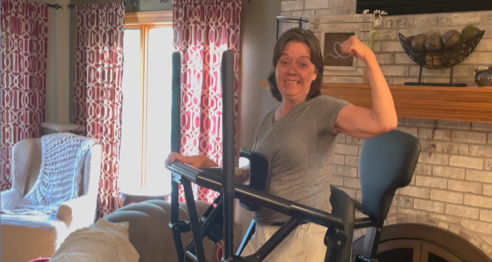
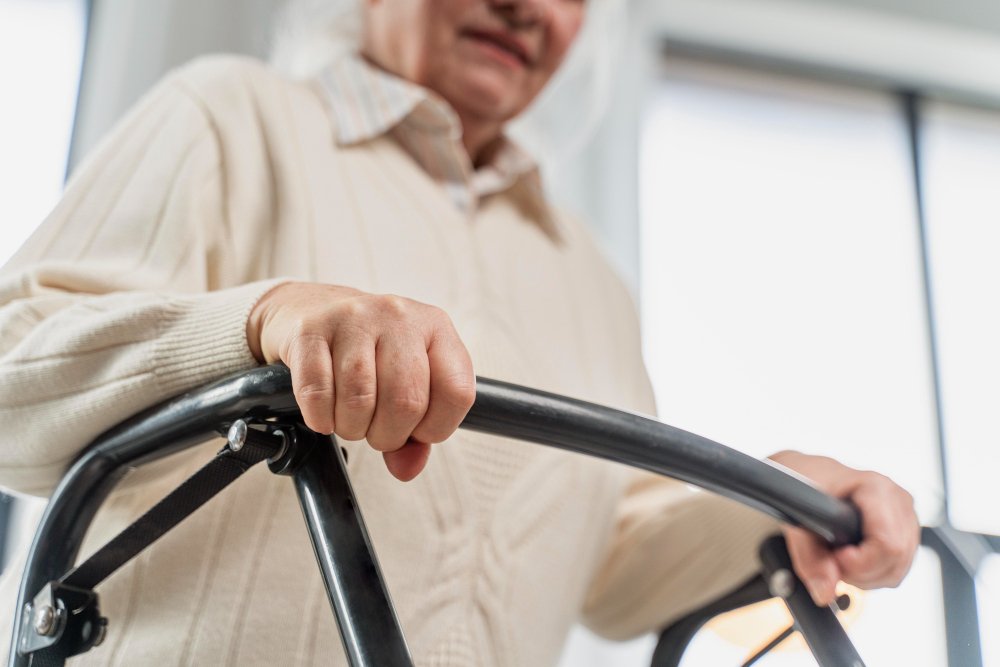
Using mobility aids such as walkers, canes, or wheelchairs can make walking more accessible and reduce the physical strain. These tools can help you remain mobile, allowing you to move through outdoor environments or even indoors at your own pace, which is key to managing stress and anxiety.
Pace Yourself
Walking doesn’t have to be long or strenuous to be beneficial. Even short, slow-paced walks can release endorphins and improve your mood. Begin with just a few minutes a day, and gradually increase the time as your mobility and energy allow.
Indoor Walking
If outdoor walking isn’t feasible due to accessibility issues, indoor walking is an excellent alternative. You can walk around your home, or if you have access to a large indoor space like a community center, mall, or gym, this can be a safe and supportive environment for movement. Even walking on the spot while holding onto a sturdy surface can be beneficial.
Guided Walking Exercises
Virtual or in-person guided walking programs tailored to people with mobility challenges can be helpful. These programs often include adaptive movement techniques and emphasize mental well-being, creating a supportive environment to build both physical and emotional strength.
Walk with a Companion
Whether it’s a friend, family member, or caregiver, having someone accompany you while walking can provide reassurance, enhance social interaction, and offer emotional support. It can make the activity feel less daunting, especially if you have physical limitations.
Combining Walking with Other Mindfulness Practices
You can enhance the stress-reducing benefits of walking by combining it with other mindfulness practices. Listening to calming music, engaging in walking meditation, or focusing on deep, rhythmic breathing while moving can further reduce anxiety and center your mind.
Walking is a powerful, accessible way to reduce stress and anxiety, even for those with mobility issues. Whether you walk outdoors with assistance or adapt it to suit your environment, the physical movement can lead to significant improvements in your mental health. Start slow, listen to your body, and find joy in the simple act of walking—step by step, you’ll feel your stress and anxiety begin to lighten.