

Unlock Better Sleep with the Simple Act of Walking

At Medthera Inc., we understand how essential a good night’s sleep is to your overall health and well-being—especially for those managing mobility challenges. Quality rest goes beyond just feeling refreshed; it influences everything from your mood to your ability to recover and thrive. But did you know that incorporating walking into your routine can significantly improve your sleep?

The Science Behind Walking and Better Sleep

Walking may seem like a simple activity, but its impact on your body and mind is profound. Here’s how a regular walking routine can pave the way for better sleep:

1. Natural Sleep Aid

Walking helps regulate your circadian rhythm—your body’s natural sleep-wake cycle. The exposure to natural light and the gentle, consistent activity signal to your body when it’s time to feel awake and when it’s time to rest.

2. Stress Reduction

Stress and anxiety are common culprits behind sleepless nights. Walking, especially in nature, can help lower cortisol levels, the hormone associated with stress. As you move, your body releases endorphins, also known as the “feel-good” hormones, which can help to elevate your mood and calm your mind, preparing you for a restful night.

3. Physical Fatigue

Engaging in moderate physical activity like walking can help tire your body in a healthy way. This physical fatigue makes it easier to fall asleep and stay asleep through the night. Unlike strenuous exercise, which can sometimes be too stimulating close to bedtime, walking strikes the perfect balance.

4. Improved Blood Circulation

Walking enhances blood circulation, which aids in the delivery of oxygen and nutrients to your body’s cells. This promotes overall health and wellness, which in turn makes your body more ready to rest and repair during sleep.

Take Your First Step

Walking might seem modest, but don’t underestimate its power. You can start with just a few minutes a day and gradually increase your time as your comfort and ability improve. Even short, consistent walks can lead to significant improvements in sleep quality.

If you or your loved one faces mobility challenges, Medthera Inc. offers innovative solutions that make walking more accessible and safer, ensuring that you can incorporate walking into your daily life effortlessly and effectively.

In Conclusion

Walking isn’t just a way to stay active; it’s a gentle, accessible path to better sleep. Whether you’re dealing with mobility issues or supporting someone who is, know that each step you take brings you closer to a night of restful, restorative sleep. At WalkPort we’re here to walk this journey with you, every step of the way.

For more tips and personalized support, don’t hesitate to reach out to our dedicated team. Here’s to embracing every step—towards better sleep, enhanced mobility, and a better quality of life.

Stay hopeful, stay resilient, and keep walking—better sleep awaits!
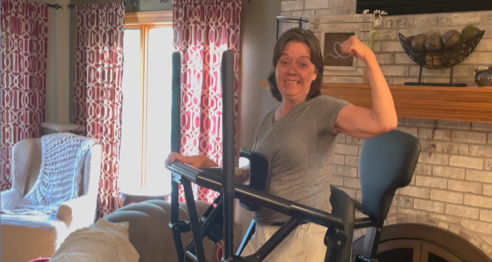
We had the privilege of trying out Medthera’s new WalkPort machine for 30 days. First look at this product had me amazed at how compact it is, while adding more natural leg action into the design that can easily be adapted from a 6-foot patient to my 5-foot 2-inch wife. My wife, LuAnne, has been in physical therapy for 36 months. In that time, we have used 3 different styles of machines, most of which required one or two therapists to get her into. One took over 20 minutes to go from wheelchair to harness to the machine. Once in, one of the therapists would control the speed while the other would make sure LuAnne was OK and, in some cases, moving her leg. WalkPort does a fantastic job of addressing all the problems I have seen in the current style of machines on the market today.

The 3 area’s that I feel make it stand out.

1. The design is so easy to adjust to fit the patient. Once set up, the patient can do as much of the transfer from the wheelchair to the WalkPort as their disability will allow. In our case, LuAnne can roll up to the machine and get into the seat on her own. We have to position her right leg, which is paralyzed, into position and secure her foot. Once that is done, she can get herself to a standing position and start the motion of walking with no assistance from us. This allows her to walk for around a half hour quite easily.

2. The motion of the legs, knee and ankle is so close to actual walking movement, helping her re-establish the motor function of walking in her brain. The muscle gain and stamina were rather noticeable every day with major improvements over the course of our time with WalkPort. Towards the end of our 30 days, we had to limit LuAnne to an hour in the evening sessions as she was enjoying it so much.

3. The last and probably most valuable aspect is the attitude/excitement LuAnne expressed. She was incredibly proud of the work she was doing, especially how much of it she could perform unassisted. She always had a bright smile on her face when using the machine. She had gained such a boost in confidence while doing her exercises, from maneuvering around the machine on her own, to holding a standing position, to starting the motion of walking without assistance. She was very empowered seeing how much progress she was making on her own.

The size of this machine is about one-third the size of the other machines we had tried in the past. The first day we were introduced to the machine, LuAnne was in it and walking on her own within minutes. No motors controlling her stride. The enjoyment we saw on her face was so nice to see. Something else my daughter noticed was LuAnne walking forward for a while, then stopping and starting to walk backwards. I am not a therapist, but this seems to be a big deal to me.

In the end, LuAnne was able to gain muscle in her right leg and increase her stamina. We are still working on her walking on her own, but I am sure using this machine will reduce the time it will take to get to the next level of recovery.