
BENEFITS OF WALKPORT
Each Step Counts Towards a Healthy Life.
BENEFITS OF WALKING
WalkPort gives people with limited mobility a safe way to walk regularly, and regular walking supports circulation, muscle health and overall well being. Below is what walking does for the body and how WalkPort makes it possible at home or in a clinic.
When someone experiences a spinal cord injury, so much changes at once. Movement can feel unfamiliar, the legs may not respond the way they used to, and even sensing where the body is in space can be difficult. That is why walking practice plays such an important role in many rehab programs. It gives people a chance to reconnect with movement in a structured, supported way.
It helps wake up movement pathways
After an SCI, the communication lines between the brain and the legs can be disrupted. Walking style practice helps stimulate those pathways, especially the parts involved in coordinating stepping and muscle activation. Recent studies show that certain therapies can partially restore motor activity and sensory feedback during walking practice, which highlights how important it is to keep those systems engaged.
It gives the body a chance to relearn walking patterns
Gait training, whether over ground, on a treadmill, or with body weight support, lets people practice stepping in a repetitive, structured way. That repetition matters. Research shows that these kinds of programs can support improvements in gait tasks, balance activities, and leg function for individuals with incomplete injuries. Walking practice gives the nervous system the reps it needs to try rebuilding coordination.
It builds confidence through movement
Walking practice also helps people relearn how it feels to be upright, shifting weight, taking steps, and balancing again. Whether someone uses high tech equipment, therapist guidance, or simpler overground practice, the goal is the same: to create safe opportunities for movement that feel doable and empowering.
It takes advantage of the brain and spinal cord’s natural adaptability
The first few months after a spinal cord injury are an especially important window because the nervous system is more responsive to training. Research shows that gait practice during this period provides the kind of sensory and motor input the body needs to adapt and reorganize. Some emerging therapies are now combining walking practice with stimulation to further activate the legs during movement.
WalkPort gives people with spinal cord injury a safe, supported way to practice walking every day at home. The repetition matters. The nervous system responds to consistent movement input, and WalkPort makes it possible to get those reps in without a clinic visit, without a second person, and without complicated setup.
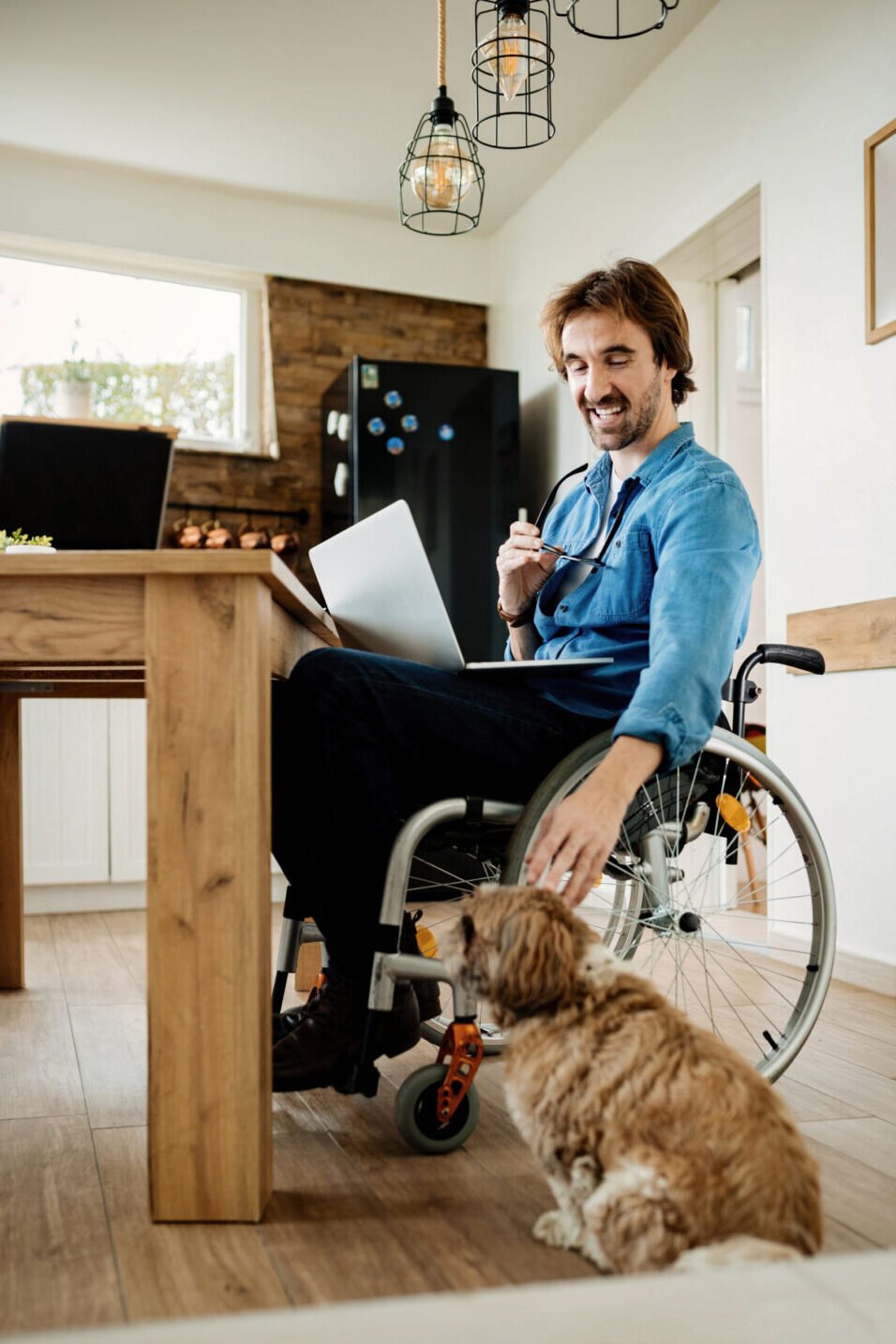
BENEFITS OF WALKING
A stroke can change movement in an instant. Walking, something that once took no thought at all, often becomes a central goal of rehabilitation. Research shows that walking practice can play an important role in supporting strength, independence and overall quality of life for stroke survivors. The findings below come from published research on walking after a stroke in general, not from studies run on WalkPort.
It supports mobility, balance and gait recovery
Reduced gait speed, endurance and balance are among the most common challenges after a stroke, and published research reports that impaired gait affects up to 80 percent of survivors. Walking practice targets those areas directly, and studies link better gait speed and endurance to improved overall health, lower fall risk and greater independence. Practicing with support has also been noted as helpful for step length, cadence and walking velocity during early rehabilitation.
It supports cardiovascular health and endurance
Cardiovascular fitness often declines after a stroke simply because activity drops off. Walking is a safe and familiar way to stay active. Clinical guidelines describe regular walking practice as a way to work on strength, stamina and cardiovascular fitness, and walking in real settings over varied surfaces has been noted as useful for everyday independence.
It supports quality of life
Mobility is not only physical. It shapes emotional well being, confidence and how much a person takes part in life around them. Research shows that stroke survivors who build structured walking into rehabilitation report better quality of life and more participation in their communities. One large trial found that adding 30 minutes of progressive walking exercise was associated with improved gait speed, balance, mobility and overall quality of life by the time patients were discharged. Survivors themselves consistently name walking as a top priority, because of the freedom it gives back.
It supports the brain during the early recovery window
The first months after a stroke are when the brain is most responsive to practice. Structured, progressively challenging walking has been studied as one way to support that process. Published research associates rehabilitation programs that include regular walking with better endurance over time.
It targets the impairments that persist after a stroke
Recent studies highlight how persistent shorter step length, slower walking speed and poor balance can be. A 2026 cross sectional study reported significantly reduced cadence, speed and stride length among survivors. Those are the same parameters that studies associate with consistent walking practice and an individualized rehabilitation program.
WalkPort gives stroke survivors a way to keep practicing movement during the early recovery window, at home, on their schedule, fully supported. No clinic appointments needed. Just consistent daily walking, built into everyday life.
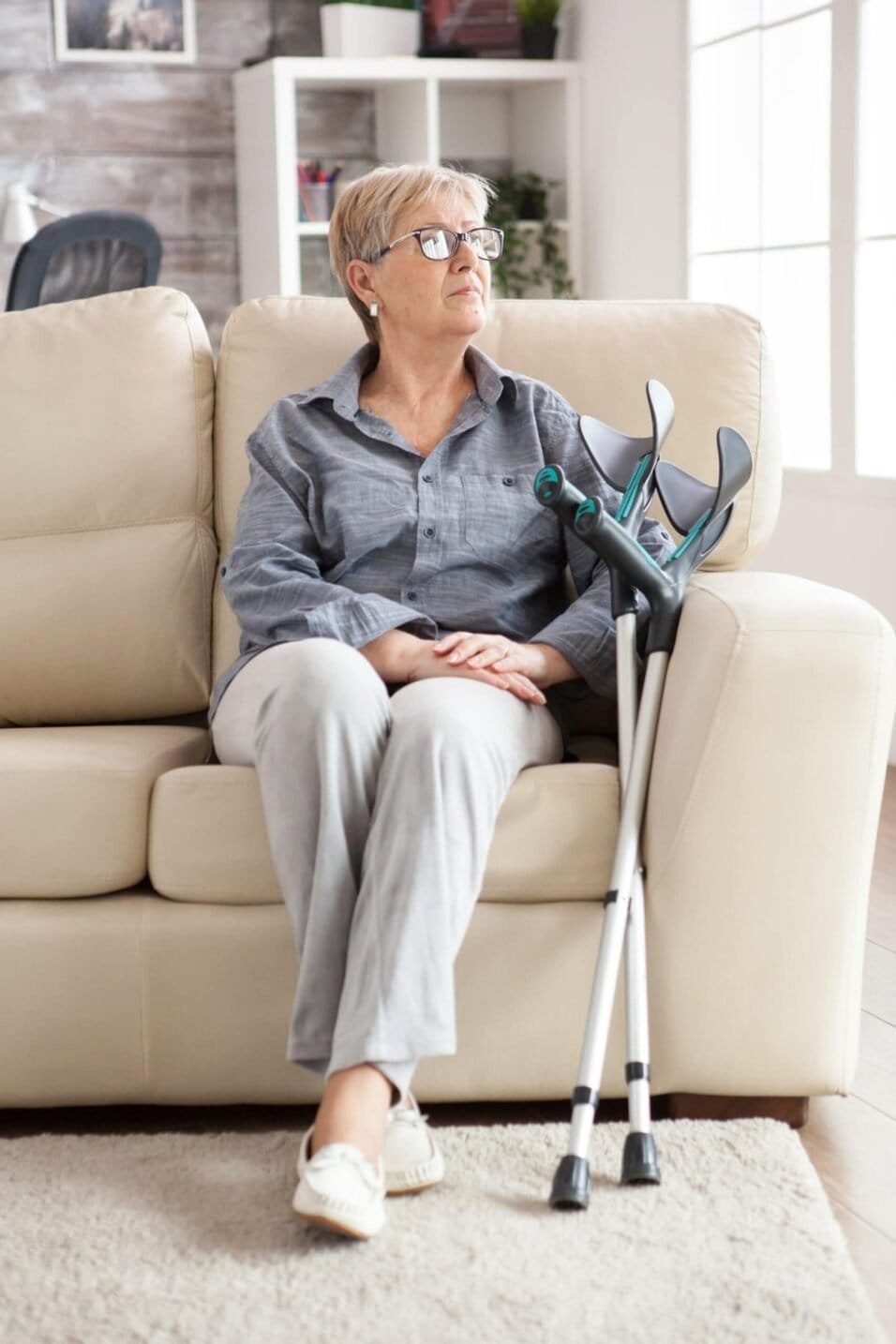
BENEFITS OF WALKING
Walking plays an important role in daily activity for people living with Parkinson’s disease. Many individuals experience movement related changes such as slower gait, reduced stride length, balance challenges, and changes in posture. Research shows that exercise, including walking and walking based activities, can influence various aspects of movement and help people stay engaged physically in ways that feel manageable.
Gait practice and walking rhythm
Physical activity has been shown to support gait elements such as walking speed, stride length, cadence, and endurance. These improvements have been observed across a variety of activity types, including treadmill walking, Nordic walking, Pilates, and Qigong.
Balance and postural engagement
Many Parkinson’s focused exercise studies highlight that movement based activities can help individuals practice balance and posture. Certain activities such as Nordic walking may help improve trunk stability by encouraging a more upright alignment.
Mobility and daily function
Research comparing aerobic and resistance training indicates that these forms of exercise can help support gait velocity and other movement measures used in Parkinson’s assessments. These activities provide opportunities to stay physically active and maintain mobility routines.
Support for coordinated movement
Physical activity, including walking style exercises, has been noted as a meaningful way for people with Parkinson’s to engage multiple muscle groups and maintain coordinated movement patterns that are part of daily life. Some studies report benefits to step length and overall gait mechanics when individuals practice structured movement programs.
For people living with Parkinson’s, consistency is everything. WalkPort provides a stable, supported environment for daily walking practice that fits into any routine. Stand up, walk, and keep the gait patterns active that matter most for daily independence.
BENEFITS OF WALKING
Walking can be an important part of staying active for people living with multiple sclerosis. Many individuals experience changes that affect how comfortably they move, such as fatigue, balance challenges, numbness, or muscle stiffness. These changes can influence the way walking feels and how long someone may want or be able to stay on their feet.
Despite these challenges, many people look for ways to incorporate walking or walking like activity into their routine. Regular movement within one’s comfort level can help maintain familiar patterns of motion and support overall engagement in daily activities.
Energy and fatigue
Many individuals find that gentle, consistent movement can help support their overall energy throughout the day.
Comfort and flexibility
Walking helps keep the legs moving, which some people feel supports comfort when dealing with stiffness or spasms.
Balance and gait practice
Walking offers an opportunity to practice coordinated steps, maintain balance strategies, and stay familiar with everyday movement patterns.
Mobility and daily activity
Staying active in a way that feels manageable can support general mobility and help daily tasks feel more fluid.
Motor engagement
Walking activates multiple muscle groups and coordination pathways, helping reinforce the body’s natural movement rhythms.
Alongside the physical aspects, many people associate regular activity with improved mood and a greater sense of wellbeing.
WalkPort gives people with MS a low effort way to keep moving on the days when getting outside feels like too much. Fully supported, fully adjustable, and always available at home. Movement on your terms.
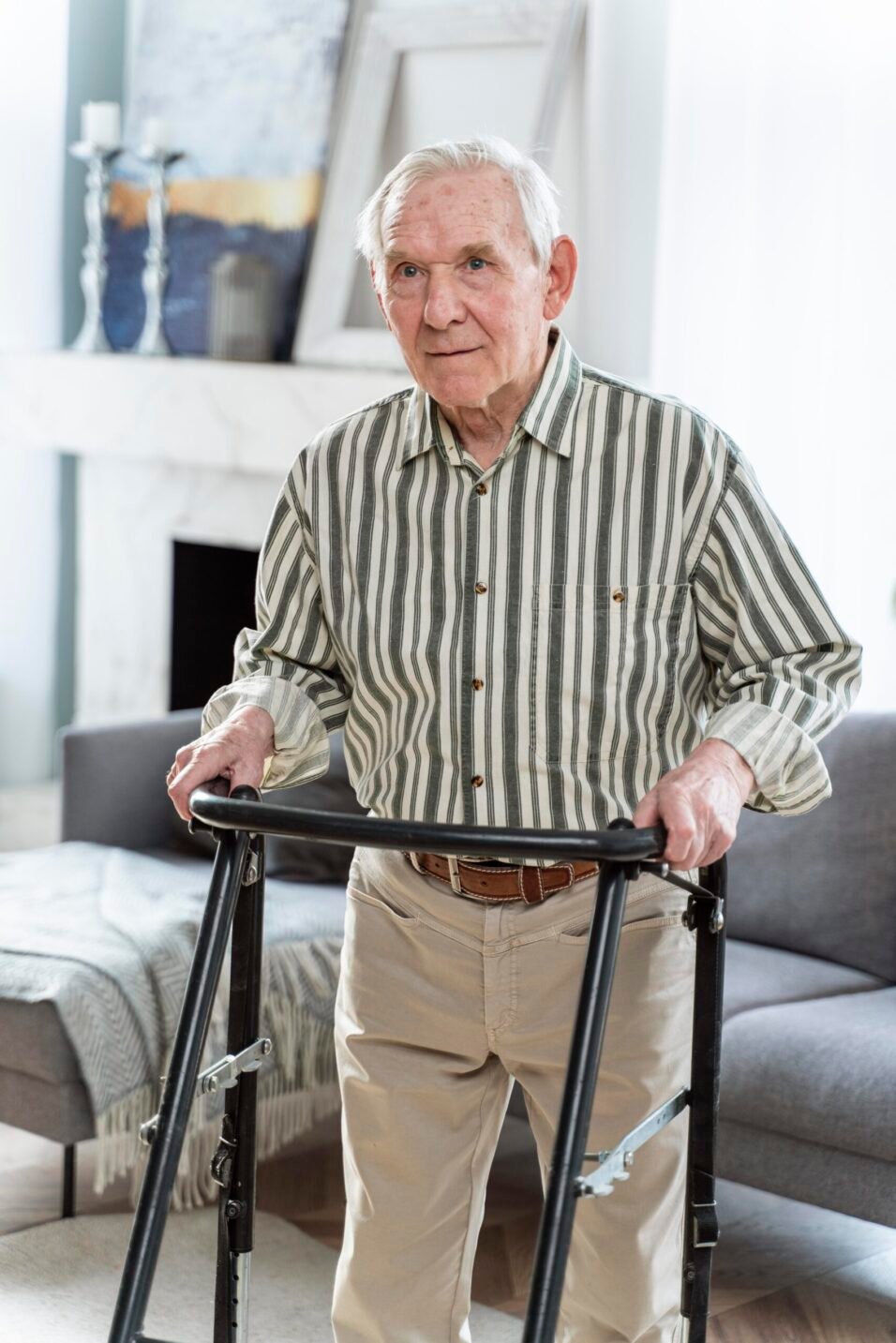
BENEFITS OF WALKING
As people get older, staying active becomes one of the best ways to keep feeling steady, mobile, and confident in daily life. Walking is one of the simplest ways to do that. No special equipment, no complicated steps, just moving at your own pace. And research continues to show just how much walking can help older adults in very real, everyday ways.
Walking helps fight frailty and keeps you moving confidently
Studies show that older adults who participate in walking programs, even short term ones, can experience small but meaningful improvements in frailty levels. In one study, seniors who joined outdoor walking activities were less likely to progress into more severe frailty categories over several months.
It supports strength, balance, and lowers fall risk
Balance and strength naturally decline with age, but walking, especially when paired with simple balance exercises, helps keep your legs strong and your steps steady. Research found that slower walking seniors at high risk for falls benefited significantly from an at home strength and balance program, reducing falls by about 35% over six months.
Walking boosts mobility and functional fitness
Large reviews of exercise programs for seniors show that activities including walking often lead to improvements in strength, mobility, and gait speed, all essential for staying independent. These benefits show up across a range of studies, especially when activities are done consistently over several weeks.
Even small changes in walking speed make a difference
Research from UChicago Medicine found that walking just a little faster, roughly 14 more steps per minute than usual, led to noticeable improvements in physical function for frail or pre frail older adults. A small adjustment in pace created meaningful improvements in how far and how easily they could walk.
It is accessible, familiar, and easy to stick with
Walking does not require gym memberships, perfect weather, or high coordination. It is something most older adults can adapt into their daily routine at a level that feels safe and comfortable. And studies show that programs encouraging consistent physical activity, including everyday walking, can be effective even when delivered remotely or with simple reminders.
WalkPort gives older adults a safe, supported way to keep their legs moving every day without worrying about weather, sidewalks, or fatigue. Simple to use, compact enough for any room, and always there when you need it.

CASE STUDIES

CLINICAL · PHYSICAL THERAPIST
Bridging the Gap in Neuro Rehab
“What I love about WalkPort is that now this is accessible. Easy to have in a clinic or in the home, that keeps people moving. And movement is medicine. WalkPort gives people back the luxury of going for a walk.”
Heather S., PT, DPT
CEO, EA Therapeutic Health
Device, many programs
Supports users from 4’10” to 6’4”
Satisfaction guarantee
PATIENT · STROKE RECOVERY
30 Days at Home.
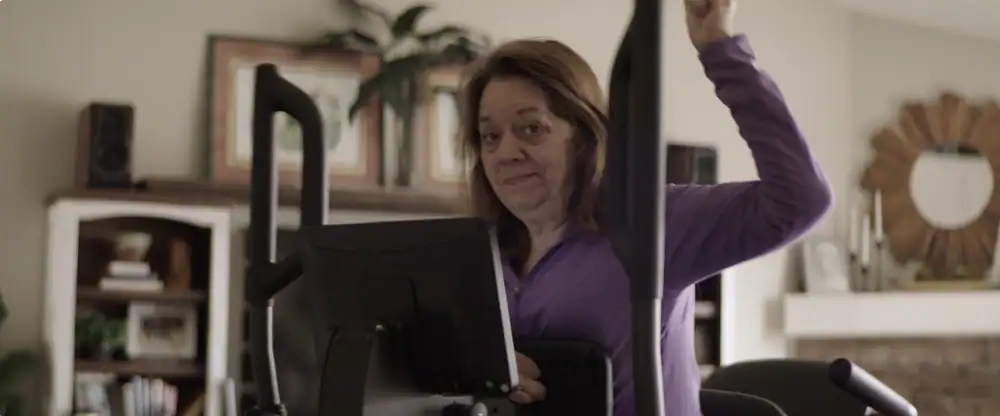
“In the end, LuAnne was able to gain muscle in her right leg and increase her stamina. Towards the end of our 30 days, we had to limit LuAnne to an hour in the evening sessions as she was enjoying it so much.”
Kevin, LuAnne’s husband & caretaker
Aneurysm · Right-side paralysis
Days
of home use
Daily sessions
by end
Independent transfers

PATIENT · SPINAL CORD INJURY
A Sense of Hope Restored
“The WalkPort was easy to use and I felt safe, but most importantly it gave me a sense of hope. The moment I stood up an immense sense of power took over me. It felt amazing to move my entire body again.”
Joseph K., SCI T12
T12 injury level
User
rating
Session, stood independently
Recommended
use
QUESTIONS WE HEAR MOST
Yes. WalkPort is designed and manufactured to applicable safety standards and is classified as durable medical equipment. The powered seat, foot supports, knee supports, and front rail keep users fully supported from seated transfer through every step of walking. When used as instructed and under the guidance of a healthcare professional where recommended, WalkPort is safe for its intended use.
Possibly, yes. If you have some arm movement, adaptive grip gloves may help you hold and move the swing arms more comfortably. We recommend consulting your physical therapist or physician to determine whether WalkPort is appropriate for your specific situation before getting started.
WalkPort may be an option if you are able to transfer independently and have some arm movement. Every individual is different, so we strongly recommend consulting your physician or physical therapist for a proper evaluation before use.
Yes, if you meet the height and weight requirements. WalkPort may actually be a helpful tool for practicing a true stepping motion in a safe, fully supported environment, which can be beneficial for those who have developed a shuffling gait. As always, consult your physical therapist or healthcare provider before beginning any new physical activity.
WalkPort is designed specifically for users who need full body support. The front rail, back support, knee supports, and foot supports work together to keep you stable and secure while you bear weight and shift your balance safely. As your strength improves over time, the front support can be gradually adjusted to allow a greater range of motion, letting WalkPort grow with your progress.
EXPERIENCE WALKPORT YOUR WAY
Whether you represent a rehab facility or are exploring options for yourself or a loved one, we would love to show you what WalkPort can do.