HEALTH AND WELLNESS

WalkPort Blog

A place to explore health and wellness. Expert articles. Inspiring stories. Dive into some healthy content now.

Featured Post

New Study Identifies Neurons That Can Restart Leg Movement After Spinal Cord Injury

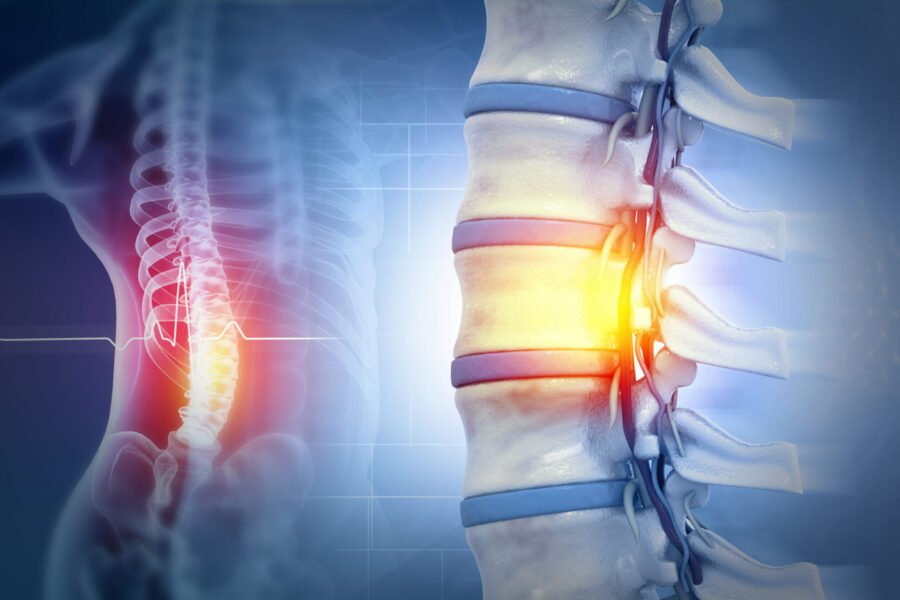
Researchers at Texas A&M University have identified a specific group of neurons that can help re‑activate leg movement after spinal cord injury, offering new insight into how walking might be restored even when normal brain‑to‑spinal pathways are damaged. What The Researchers Discovered In a study published in late March 2026, scientists found that a small population...

In the News

New Study Identifies Neurons That Can Restart Leg Movement After Spinal Cord Injury

Researchers at Texas A&M University have identified a specific group of neurons that can help re‑activate leg movement after spinal cord injury, offering new insight into how walking might be...

New Stem Cell Approach Aims to Restore Dopamine in Parkinson’s Disease

Researchers at Keck Medicine of USC are testing a promising new treatment approach for Parkinson’s disease that focuses on replacing the brain cells that are lost as the disease progresses...

Breakthrough in Restoring Walking After Complete Spinal Cord Injury

What HappenedA joint research team from Brown University, Rhode Island Hospital, and VA Providence Healthcare published a groundbreaking study in Nature Biomedical Engineering. They report that...

Walking Benefits

The Powerful Benefits of Walking after a Stroke

Recovering from a stroke can feel overwhelming, especially when mobility is affected. Walking, something many of us once took for granted, often becomes a central goal of rehabilitation. The good...
Mental Health Boost: How Walking Reduces Stress and Anxiety

In our fast-paced world, stress and anxiety have become common companions. Finding effective and accessible ways to manage these mental health challenges is crucial, especially for those living with...

Unlock Better Sleep with the Simple Act of Walking

At Medthera Inc., we understand how essential a good night’s sleep is to your overall health and well-being—especially for those managing mobility challenges. Quality rest goes beyond just...

Health

How Hydration Affects Muscle Function and Balance

Hydration plays a larger role in movement and stability than many people realize. While it’s often associated with energy levels or overall wellness, proper hydration is also closely linked to how...
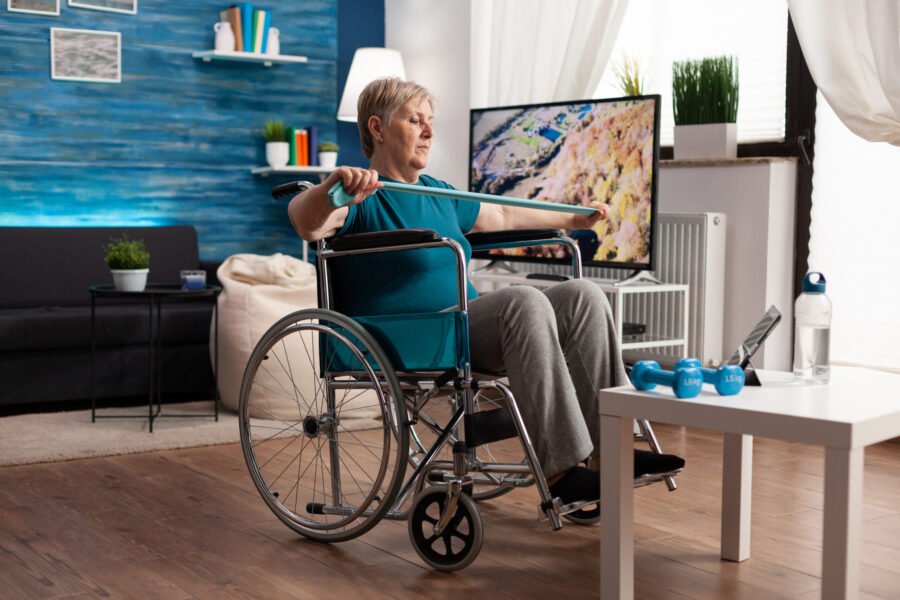
Chair-Based Workouts for People with Limited Balance or Endurance

Maintaining movement and activity is important at every stage of life — especially for individuals who experience limited balance, reduced endurance, or fatigue with standing and walking. While...
Brain Boosting Foods for Stroke Survivors

Nutrition plays an important role in overall wellness, especially for individuals working to rebuild strength, confidence, and daily routines after a stroke. While food alone cannot determine recovery...

Lifestyle

The Power of Routine When Living with Multiple Sclerosis (MS)

Living with Multiple Sclerosis often means navigating unpredictable symptoms—fatigue, mobility changes, cognitive fog, mood shifts, and fluctuating energy levels. While MS can feel uncertain...
Movement Doesn’t Have to Be Boring: Making Activity Enjoyable Again

When people hear the word movement, they often picture rigid routines, repetition, or activities that feel more like chores than enjoyment. For seniors experiencing mobility changes, this can make...

Creating a Safe Walking Path Inside Your Home

For many people, the home should feel like the safest and most comfortable place to move. But when balance, strength, or endurance change, everyday spaces can start to feel challenging. Creating a...

LATEST NEWS AND UPDATES

Stay Updated with New WalkPort Articles

Get the latest insights, updates, and helpful guides from WalkPort. Be notified whenever we publish new blog content, including tips, product updates, and industry news.

Kevin shares his inspiring full testimony at WalkPort.

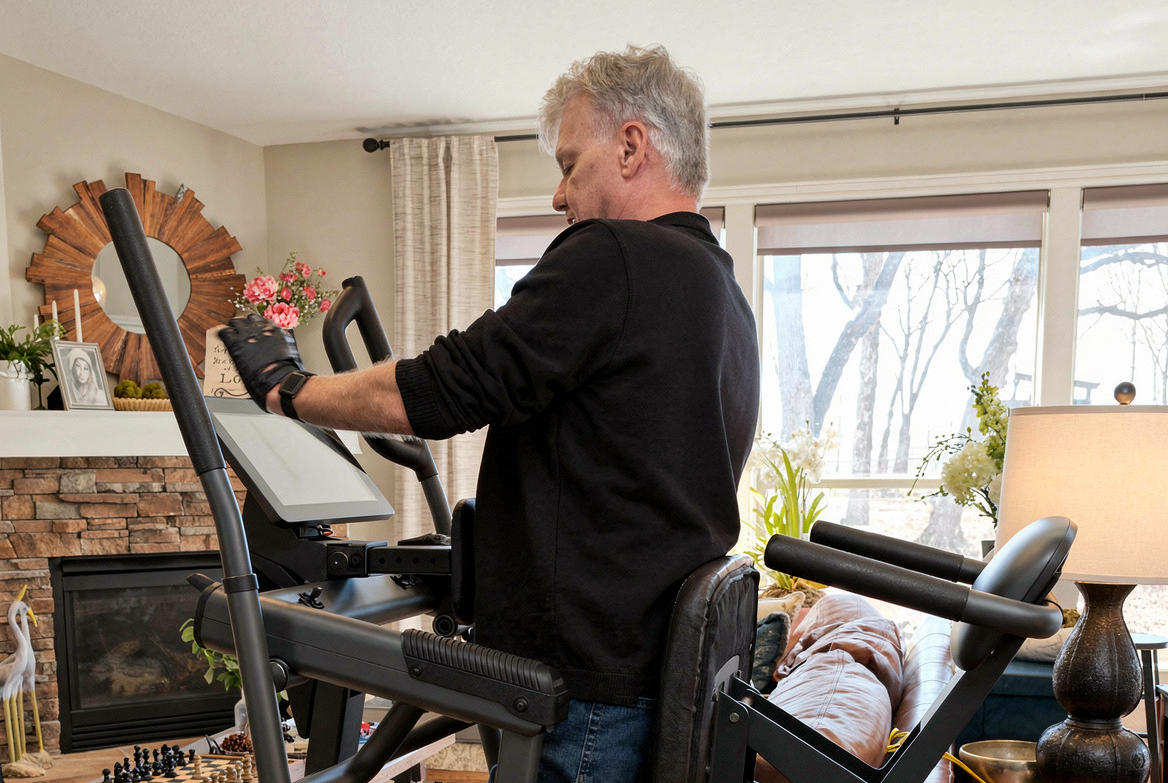
We had the privilege of trying out Medthera’s new WalkPort machine for 30 days. First look at this product had me amazed at how compact it is, while adding more natural leg action into the design that can easily be adapted from a 6-foot patient to my 5-foot 2-inch wife. My wife, LuAnne, has been in physical therapy for 36 months. In that time, we have used 3 different styles of machines, most of which required one or two therapists to get her into. One took over 20 minutes to go from wheelchair to harness to the machine. Once in, one of the therapists would control the speed while the other would make sure LuAnne was OK and, in some cases, moving her leg. WalkPort does a fantastic job of addressing all the problems I have seen in the current style of machines on the market today.

The 3 area’s that I feel make it stand out.

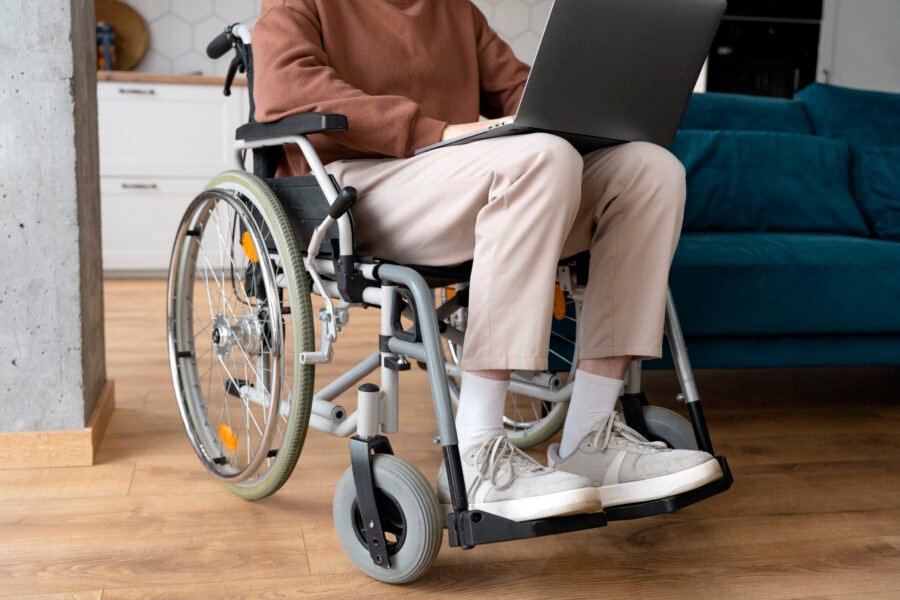
1. The design is so easy to adjust to fit the patient. Once set up, the patient can do as much of the transfer from the wheelchair to the WalkPort as their disability will allow. In our case, LuAnne can roll up to the machine and get into the seat on her own. We have to position her right leg, which is paralyzed, into position and secure her foot. Once that is done, she can get herself to a standing position and start the motion of walking with no assistance from us. This allows her to walk for around a half hour quite easily.

2. The motion of the legs, knee and ankle is so close to actual walking movement, helping her re-establish the motor function of walking in her brain. The muscle gain and stamina were rather noticeable every day with major improvements over the course of our time with WalkPort. Towards the end of our 30 days, we had to limit LuAnne to an hour in the evening sessions as she was enjoying it so much.

3. The last and probably most valuable aspect is the attitude/excitement LuAnne expressed. She was incredibly proud of the work she was doing, especially how much of it she could perform unassisted. She always had a bright smile on her face when using the machine. She had gained such a boost in confidence while doing her exercises, from maneuvering around the machine on her own, to holding a standing position, to starting the motion of walking without assistance. She was very empowered seeing how much progress she was making on her own.

The size of this machine is about one-third the size of the other machines we had tried in the past. The first day we were introduced to the machine, LuAnne was in it and walking on her own within minutes. No motors controlling her stride. The enjoyment we saw on her face was so nice to see. Something else my daughter noticed was LuAnne walking forward for a while, then stopping and starting to walk backwards. I am not a therapist, but this seems to be a big deal to me.

In the end, LuAnne was able to gain muscle in her right leg and increase her stamina. We are still working on her walking on her own, but I am sure using this machine will reduce the time it will take to get to the next level of recovery.