How Hydration Affects Muscle Function and Balance
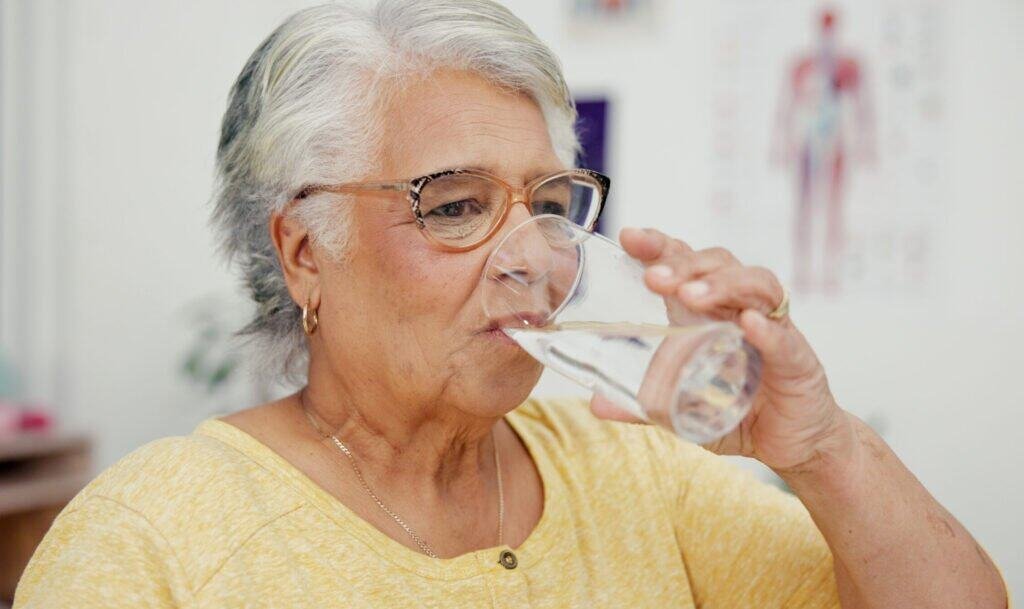
Elderly woman drinking water to stay hydrated for muscle health and balance.

Hydration plays a larger role in movement and stability than many people realize. While it’s often associated with energy levels or overall wellness, proper hydration is also closely linked to how muscles function and how well the body maintains balance. For individuals working to stay active, support mobility, or improve movement confidence, hydration is a […]

Chair-Based Workouts for People with Limited Balance or Endurance
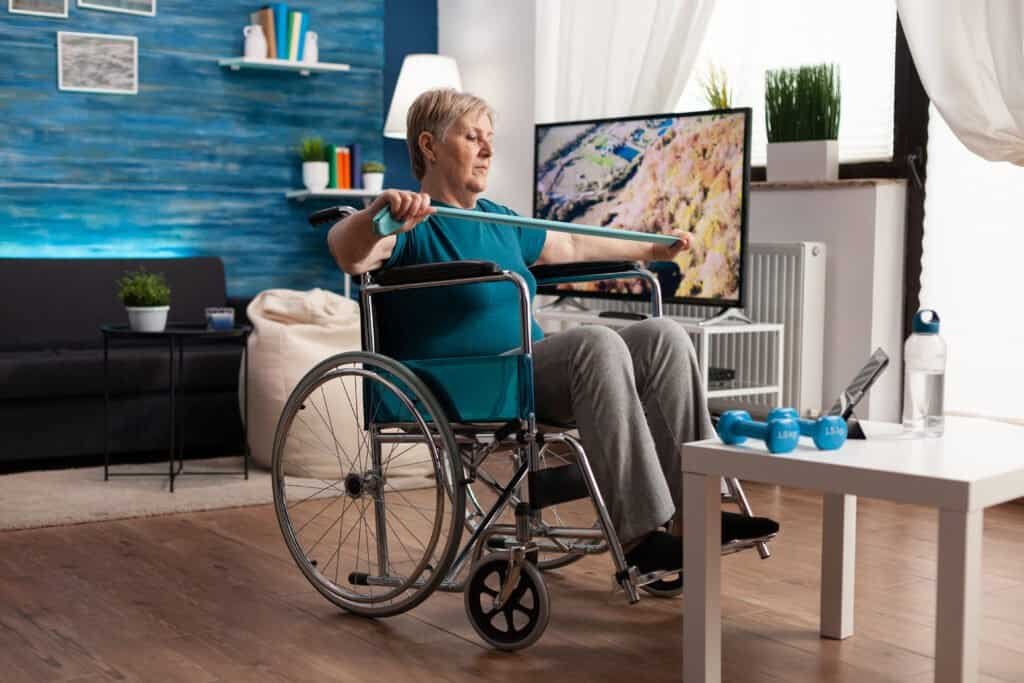
Elderly woman in wheelchair doing seated exercise with a stick at home.

Maintaining movement and activity is important at every stage of life — especially for individuals who experience limited balance, reduced endurance, or fatigue with standing and walking. While traditional workouts may feel overwhelming, chair‑based exercises offer a safe, accessible way to stay active, engage muscles, and support overall mobility. Chair‑based workouts meet people where they […]

Brain Boosting Foods for Stroke Survivors
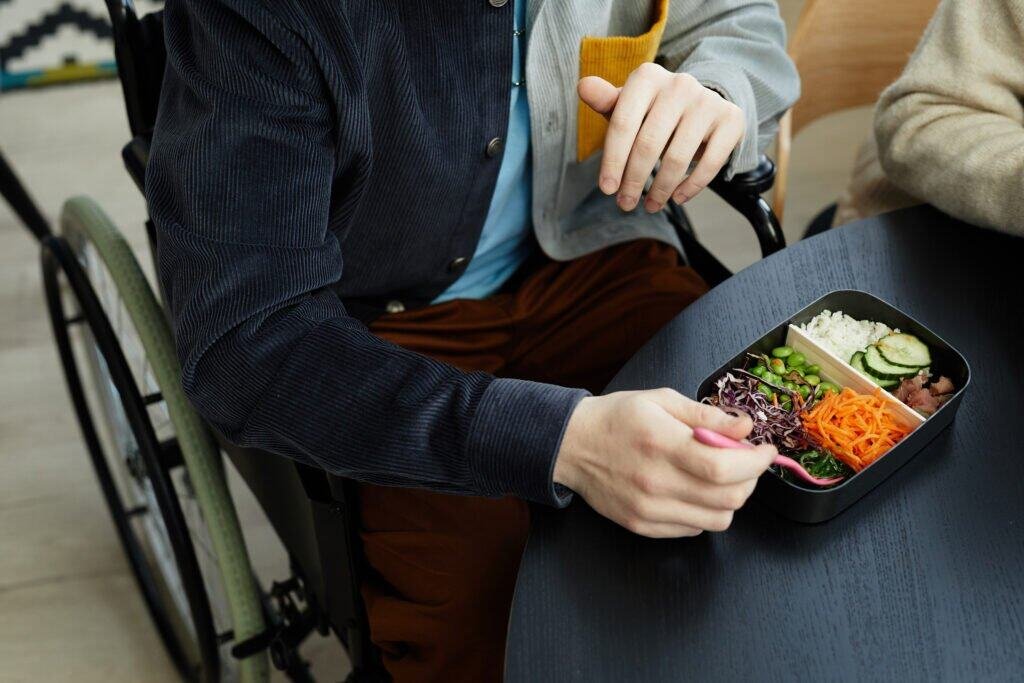
Person in wheelchair eating a nutritious meal with vegetables and healthy ingredients.

Nutrition plays an important role in overall wellness, especially for individuals working to rebuild strength, confidence, and daily routines after a stroke. While food alone cannot determine recovery outcomes, certain nutrients are known to support brain health and may help sustain energy, focus, and cognitive engagement as part of a balanced lifestyle. For stroke survivors, […]

Building Core Strength: A Path to Better Stability and Balance for Wheelchair Users

Wheelchair user practicing core exercises near water for improved stability and balance.

When facing mobility challenges, finding stability and balance can feel like an uphill battle. Yet, there’s hope and power in knowing that even when standing or walking isn’t an option, you can still build the core muscles essential for a secure and balanced life. At Medthera Inc., we understand firsthand the hurdles you’ve encountered. Our […]

Understanding Muscle Stiffness After Stroke: How to Treat Spasticity

Muscle stiffness is often a sign of a common secondary effect of stroke called spasticity. About 2 out of every 3 stroke survivors experience some form of spasticity or muscle stiffness, according to the National Stroke Association. This article will discuss the causes and symptoms of muscle stiffness after stroke, as well as treatment interventions to help relax […]

Kevin shares his inspiring full testimony at WalkPort.

We had the privilege of trying out Medthera’s new WalkPort machine for 30 days. First look at this product had me amazed at how compact it is, while adding more natural leg action into the design that can easily be adapted from a 6-foot patient to my 5-foot 2-inch wife. My wife, LuAnne, has been in physical therapy for 36 months. In that time, we have used 3 different styles of machines, most of which required one or two therapists to get her into. One took over 20 minutes to go from wheelchair to harness to the machine. Once in, one of the therapists would control the speed while the other would make sure LuAnne was OK and, in some cases, moving her leg. WalkPort does a fantastic job of addressing all the problems I have seen in the current style of machines on the market today.

The 3 area’s that I feel make it stand out.

1. The design is so easy to adjust to fit the patient. Once set up, the patient can do as much of the transfer from the wheelchair to the WalkPort as their disability will allow. In our case, LuAnne can roll up to the machine and get into the seat on her own. We have to position her right leg, which is paralyzed, into position and secure her foot. Once that is done, she can get herself to a standing position and start the motion of walking with no assistance from us. This allows her to walk for around a half hour quite easily.

2. The motion of the legs, knee and ankle is so close to actual walking movement, helping her re-establish the motor function of walking in her brain. The muscle gain and stamina were rather noticeable every day with major improvements over the course of our time with WalkPort. Towards the end of our 30 days, we had to limit LuAnne to an hour in the evening sessions as she was enjoying it so much.

3. The last and probably most valuable aspect is the attitude/excitement LuAnne expressed. She was incredibly proud of the work she was doing, especially how much of it she could perform unassisted. She always had a bright smile on her face when using the machine. She had gained such a boost in confidence while doing her exercises, from maneuvering around the machine on her own, to holding a standing position, to starting the motion of walking without assistance. She was very empowered seeing how much progress she was making on her own.

The size of this machine is about one-third the size of the other machines we had tried in the past. The first day we were introduced to the machine, LuAnne was in it and walking on her own within minutes. No motors controlling her stride. The enjoyment we saw on her face was so nice to see. Something else my daughter noticed was LuAnne walking forward for a while, then stopping and starting to walk backwards. I am not a therapist, but this seems to be a big deal to me.

In the end, LuAnne was able to gain muscle in her right leg and increase her stamina. We are still working on her walking on her own, but I am sure using this machine will reduce the time it will take to get to the next level of recovery.