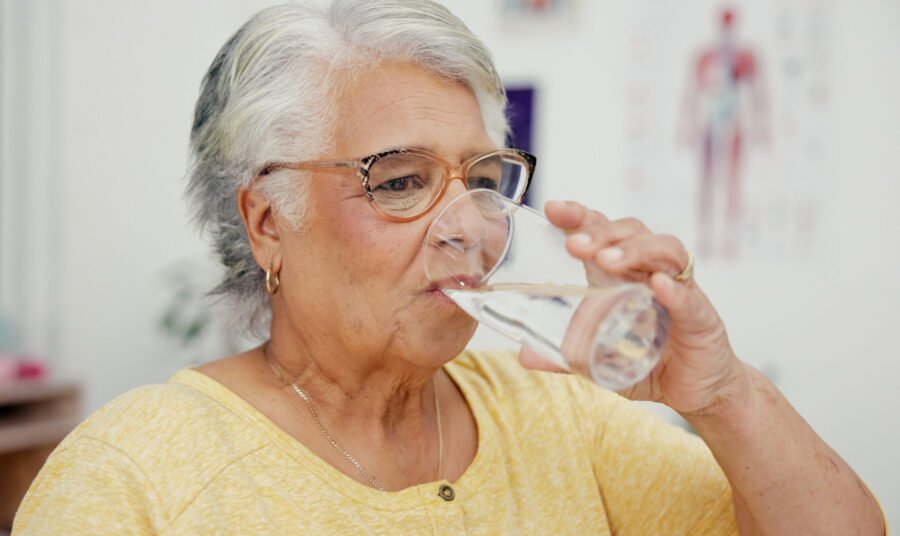
Hydration plays a larger role in movement and stability than many people realize. While it’s often associated with energy levels or overall wellness, proper hydration is also closely linked to how muscles function and how well the body maintains balance.
For individuals working to stay active, support mobility, or improve movement confidence, hydration is a simple but essential part of daily care.
Why Hydration Matters for the Muscles
Muscles are made up of a high percentage of water. Adequate hydration helps muscles contract, relax, and respond efficiently during movement. When the body is well hydrated, muscles are better able to perform tasks such as lifting, stepping, standing, and maintaining posture.
When hydration is low, muscles may feel tired sooner, respond more slowly, or feel less coordinated. Over time, this can affect how smoothly the body moves during daily activities.
Staying hydrated helps support:
- Muscle contraction and relaxation
- Endurance during movement
- Coordination and controlled motion
- Comfort during activity
Even mild dehydration can influence how the body feels and performs.
Hydration and Balance: What’s the Connection?
Balance depends on the body’s ability to process signals from muscles, joints, and sensory systems. Proper hydration supports circulation and helps these systems communicate effectively.
When hydration is insufficient, people may notice:
- Feeling lightheaded or unsteady
- Difficulty maintaining posture
- Reduced confidence when standing or walking
- Faster onset of fatigue during activity
For individuals with limited balance or endurance, hydration becomes especially important because small changes in stability can have a larger impact on daily movement.
Hydration and Endurance
Endurance is closely tied to how efficiently muscles use energy. When the body is hydrated, muscles receive nutrients and oxygen more effectively, which helps sustain activity over time.
Maintaining hydration can:
- Help extend activity tolerance
- Reduce feelings of early fatigue
- Support steady movement over longer periods
- Improve consistency with daily mobility routines
Hydration supports the ability to keep moving — even during gentle or supported activity.
Signs You May Need More Fluids
Hydration needs vary, but some common signs of dehydration include:
- Dry mouth or lips
- Dark‑colored urine
- Fatigue or sluggishness
- Muscle stiffness
- Feeling less steady than usual
Thirst isn’t always an early warning sign, especially for older adults, which is why intentional hydration throughout the day can be helpful.
Simple Ways to Stay Hydrated
Staying hydrated doesn’t have to be complicated. Small habits can make a meaningful difference:
- Sip water consistently throughout the day
- Keep a drink nearby during movement or exercise
- Include hydrating foods like fruits and vegetables
- Drink fluids before and after activity
- Listen to your body and pace intake gradually
Consistency matters more than large amounts all at once.
Supporting Movement Through Hydration and Stability
Hydration works hand in hand with movement strategies that promote safety and confidence. Combining proper hydration with supportive approaches — such as seated exercises, guided walking, or supported movement tools — can help individuals feel more prepared and comfortable during activity.
When the body is hydrated and supported, movement often feels smoother and more manageable.
Final Thoughts
Hydration may seem like a small detail, but it plays a meaningful role in muscle function, balance, and overall movement quality. Supporting the body with adequate fluids helps create a stronger foundation for safe, confident mobility at any level.
Movement begins with preparation — and hydration is one simple way to support every step along the way.