RESOURCE LIBRARY
Learn & Explore
Our resource library includes how-to-videos, product literatures, and links to clinical studies, giving you everything you need to understand how WalkPort works and the proven benefits of walking.
WATCH VIDEOS
Videos
Playlist
0:38
0:38
1:00
1:12
3:04
0:27
Supported Walk Station
WalkPort is designed with comfort and safety in mind for individuals practicing walking therapy. Its supportive features help stabilize the body throughout the walking cycle, allowing users to move with greater confidence and reduced fear of falling.
By providing consistent support and a secure walking environment, WalkPort enables users to focus on proper movement and gait practice while feeling comfortable and supported during each session.
Early Users of WalkPort
Early users of WalkPort are discovering a new sense of freedom and confidence through supported walking therapy at home. Designed for individuals facing mobility challenges, WalkPort helps make each step safer and more natural, whether for daily movement or guided therapy sessions.
Users are building strength and independence in a familiar, comfortable environment. Every movement is designed to feel secure, thoughtful, and dependable, reinforcing dignity and confidence with each step.
With WalkPort, movement at home becomes more than therapy—it becomes a pathway back to independence, reassurance, and everyday confidence.
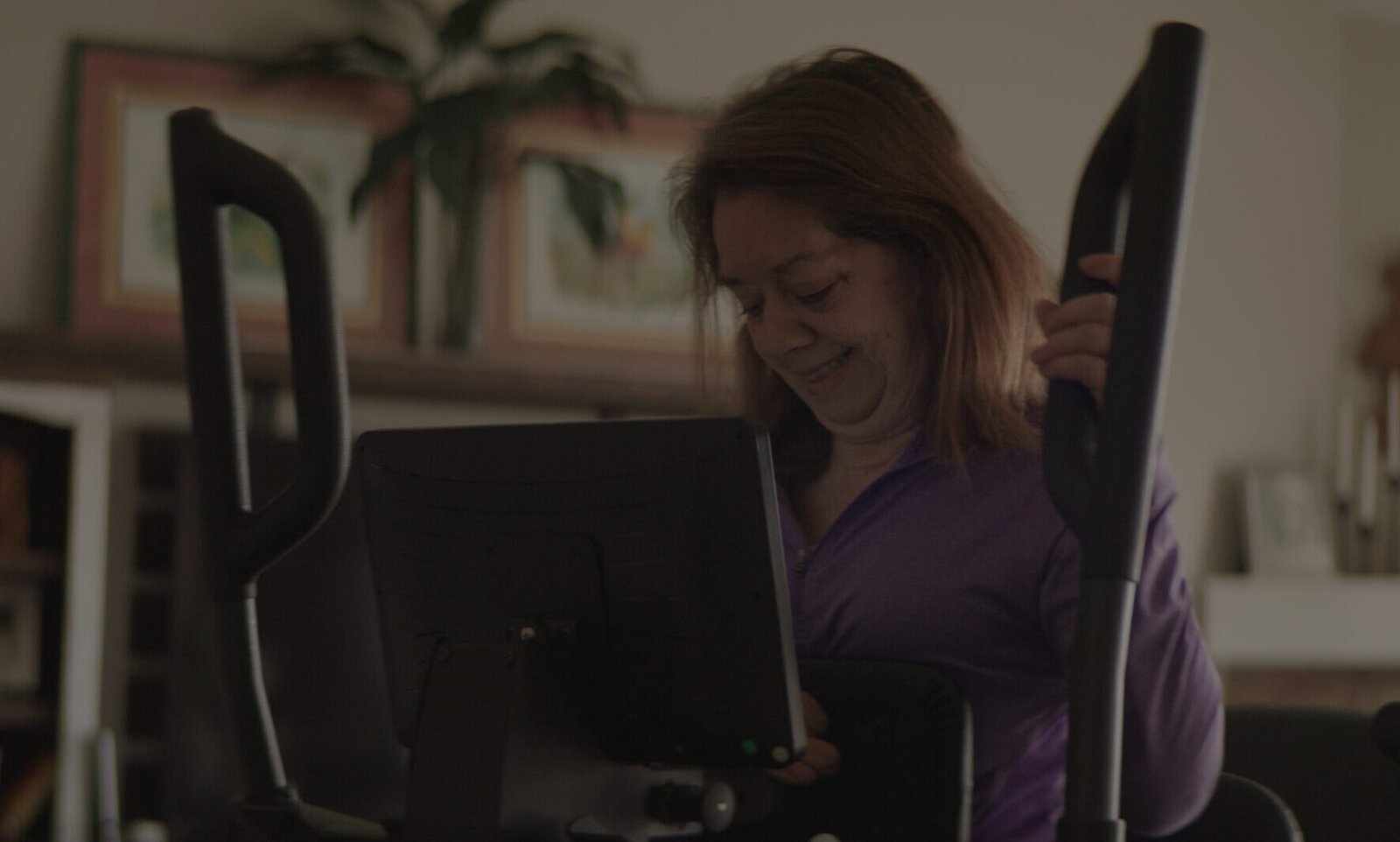
LuAnne was very empowered seeing how much progress she was making on her own!
LuAnne suffered an aneurysm over 4 years ago that left her with right side paralysis. She was able to use a WalkPort prototype for 30 days in her home. Her husband and caretaker, Kevin, provided us with his perspective of the product.
Meet Oyuna Uranchimeg
Oyuna Uranchimeg is a Paralympian and wheelchair curling athlete who has lived with a spinal cord injury and has not walked for 26 years. This feature highlights her experience using the WalkPort Supported Walk Station.
Experience WalkPort in Action
See how WalkPort supports mobility and therapy through an intuitive and engaging experience. This demo highlights how users can start walking sessions, track progress, and stay motivated with clear visual feedback and simple controls.
Alan Tholkes of Medthera
Founder and Inventor at Medthera, bringing decades of experience in the DME industry. Founded Altimate Medical, leading strategy, product development, marketing, and global sales for the EasyStand line, building in-house manufacturing and expanding distribution to over 30 countries and 2,500 U.S. suppliers. Holder of multiple patents in DME and ergonomic design, continuing to develop innovative solutions that enhance mobility and quality of life.
DOWNLOADABLE FILES – COMING SOON
Literature
Home Brochure
Facility Brochure
Owner's Manual
ARTICLES
Studies
Effect of “standing” on spasticity, contracture and osteoporosis in paralyzed males.
Evaluation of the effects of muscle stretch and weigh load in patients with spastic paraplegia.
Does regular standing improve bowel function in people with a spinal cord injury?
Tilt table standing for reducing spasticity after spinal cord injury.
Load redistribution in variable position wheelchairs in people with spinal cord injury.
Physical rehabilitation as an agent for recovery after spinal cord injury.
Moving the arms to activate the legs.
Calcium balance in paraplegic patients: influence of injury duration and ambulation.
Bone mineral status in paraplegic patients who do or do not perform standing.
Neural coupling between upper and lower limbs during recumbent stepping.
Case study to evaluate a standing table for managing constipation.
Locomotor training after human spinal cord injury: a series of case studies.