PHYSICAL REHAB CENTER
Enhance Healing
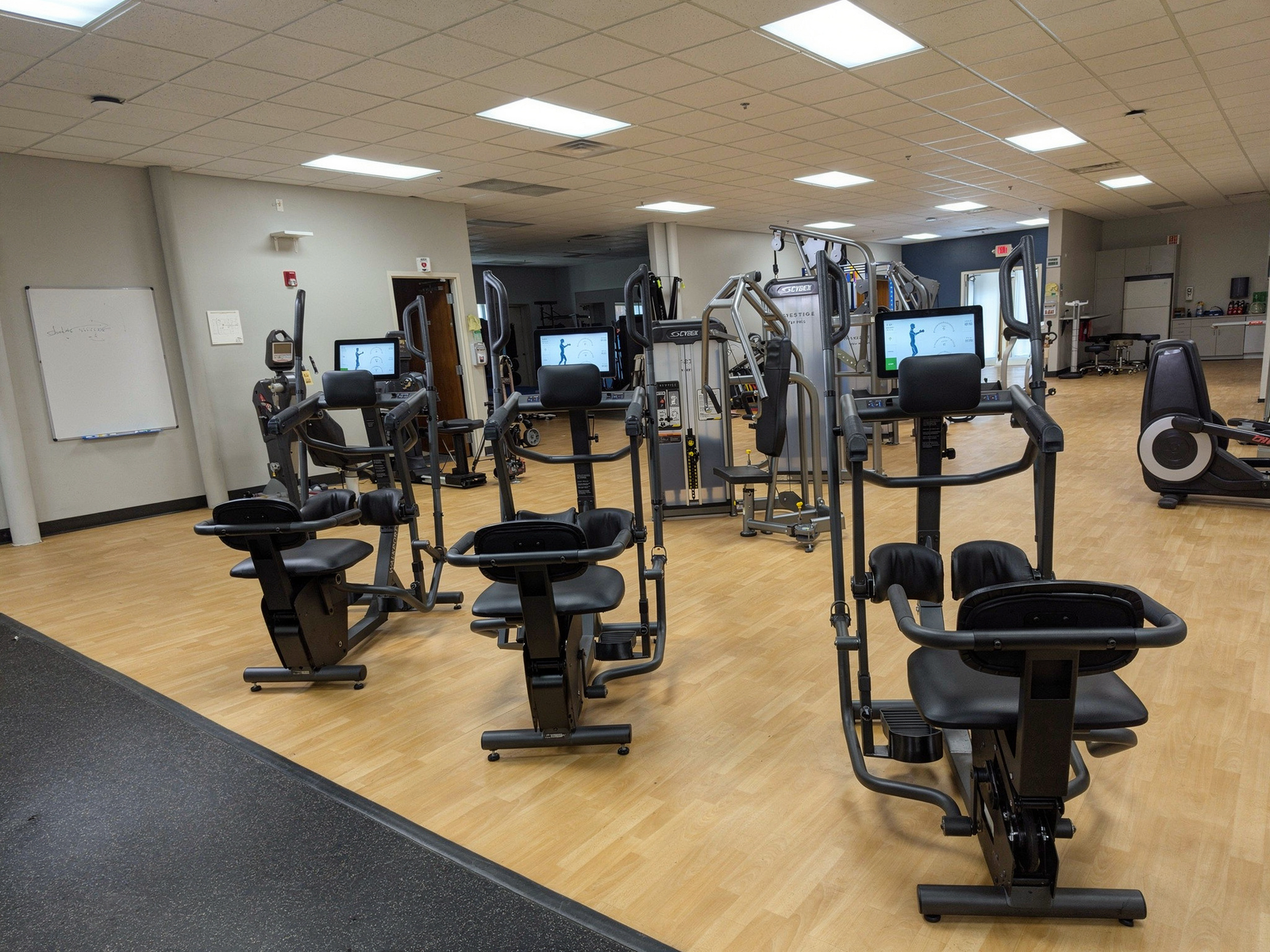
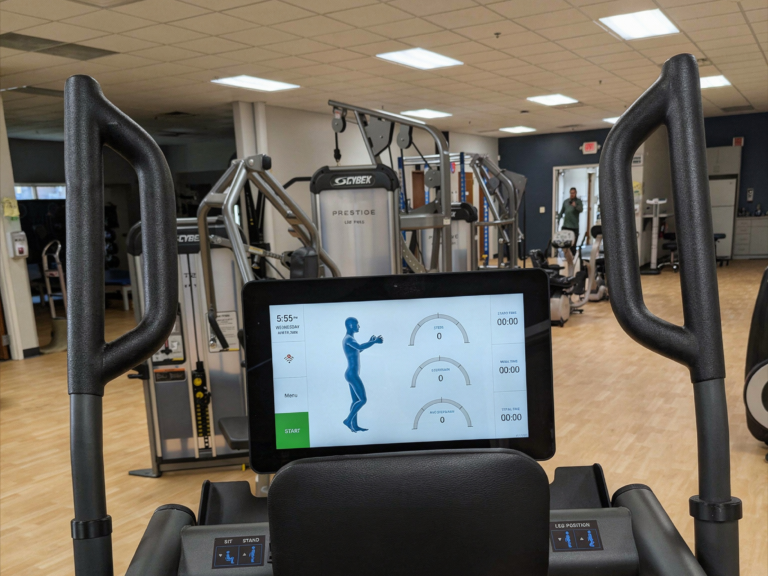
WalkPort adds a versatile, guided walking solution for rehabilitation facilities—empowering therapists to deliver consistent, repeatable walking therapy across a wide range of patient needs.
PHYSICAL REHAB CENTER
Supported Walking Therapy with WalkPort
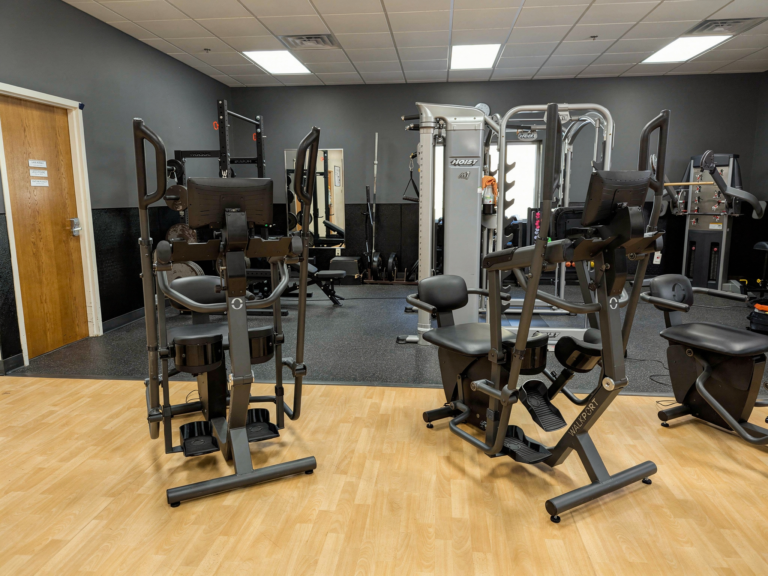
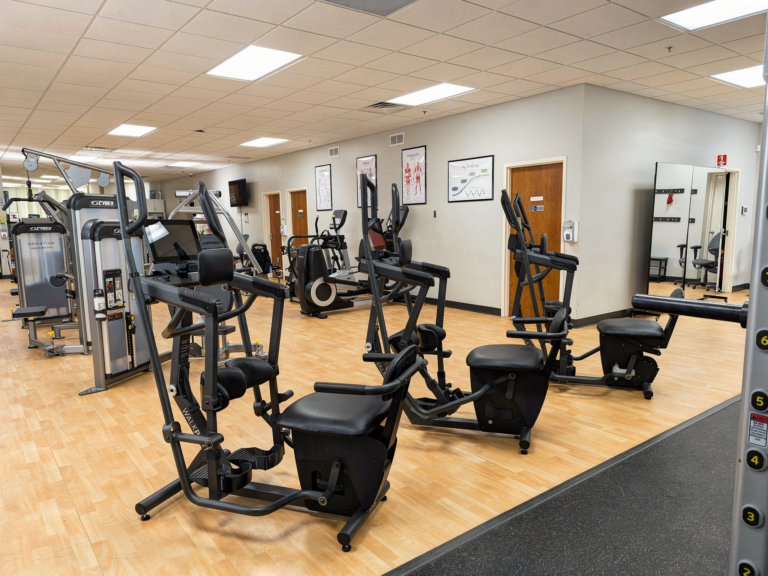
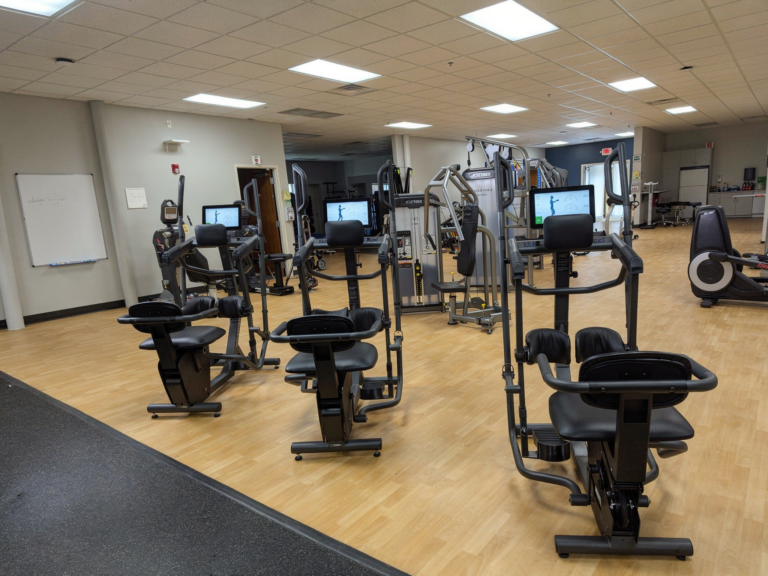
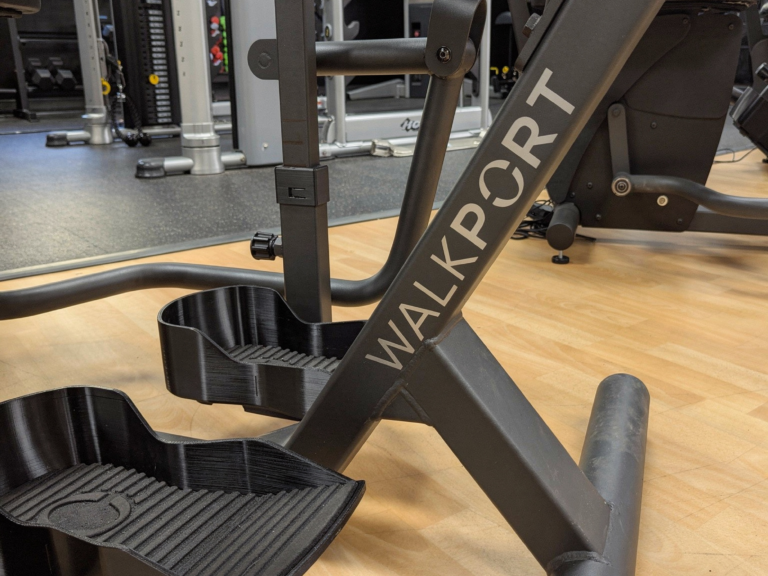
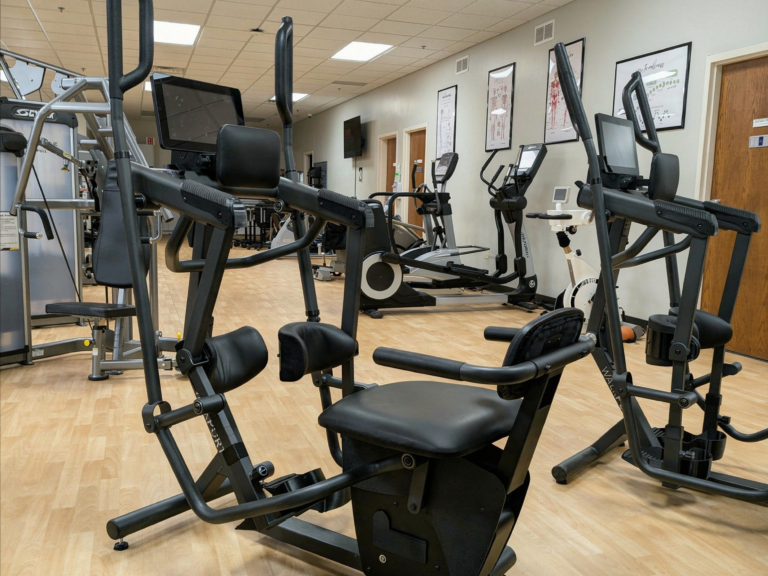
WalkPort is a supported walk station designed to enhance walking therapy in physical rehabilitation facilities. WalkPort enables structured, guided walking experiences that help therapists reinforce proper gait patterns and support functional recovery.
Patients using WalkPort can safely participate in essential weight‑bearing activities, including standing, walking, balance training, and weight shifting. These activities support mobility development, promote confidence, and contribute to improved functional outcomes.
By integrating WalkPort into your therapy programs, your facility can provide consistent, repeatable walking therapy that supports patient progress and independence throughout the rehabilitation journey.
PATIENT BENEFITS
Improving Mobility, Balance, and Independence
Patient/ Therapist Interaction
Traditional gait therapy may require assistance from multiple clinicians to ensure patient safety. With WalkPort, once the patient is safely transferred and positioned, it supports the guided walking therapy.
Boost Patient Confidence
WalkPort provides a stable walking environment that helps reduce fear of falling. This allows patients to focus on gait, balance, and weight shifting, building confidence and encouraging active participation in therapy.
Longer Walking Times
Quick setup allow patients to begin walking within minutes. This enables longer walking intervals during each session, supporting greater endurance, balance training, and functional mobility progression.
FACILITY BENEFITS
Enhancing Therapy Efficiency and Outcomes
Optimize Resources
WalkPort supports guided gait therapy with reduced physical assistance, helping facilities optimize therapist utilization and increase patient flow without compromising care.
Safety for Patient and Therapists
By providing a stable and secure walking environment, WalkPort helps reduce the risk of fall‑related injuries to both patients and therapists, supporting a safer therapy setting.
Maximize Patient Outcomes
Quick setup allow patients to spend more time in weight‑bearing activities, building confidence and enabling progression toward more challenging, goal‑oriented therapy plans.
INTEREST FORM
Join Us on the Road to Recovery
Sign up to learn how WalkPort can support walking therapy, improve patient outcomes, and integrate into your rehabilitation programs.
PHYSICAL REHAB CENTER
Frequently Asked Questions
WalkPort is best suited for patients who can benefit from supported, guided walking therapy as part of a structured rehabilitation program. Appropriate candidates may include individuals who:
- Are able to bear weight and participate in standing or assisted walking activities
- Require support or stability to safely practice walking and gait training
- Are recovering from neurological, orthopedic, or deconditioning‑related impairments
- Are transitioning from supported standing to active walking therapy
- Benefit from repetitive, task‑specific gait practice to improve mobility, balance, and endurance
WalkPort is designed to support walking therapy under the supervision of a licensed therapist, allowing clinicians to determine suitability based on each patient’s functional status, goals, and safety considerations.
Patients may begin using WalkPort when a licensed therapist determines they are ready to participate in weight‑bearing and guided walking therapy. This typically occurs once the patient can safely stand with support and follow therapy instructions.
WalkPort is often introduced:
- When patients are transitioning from supported standing to active walking
- When early gait training is appropriate but additional stability or guidance is needed
- During phases of rehabilitation where repetitive, task‑specific walking can support functional progress
The clinical team should evaluate each patient’s medical status, strength, balance, endurance, and safety needs to determine the appropriate time to incorporate WalkPort into the rehabilitation plan.
It is not available at this time.