Home / Blog /

Movement Doesn’t Have to Be Boring: Making Activity Enjoyable Again

Movement Doesn’t Have to Be Boring: Making Activity Enjoyable Again

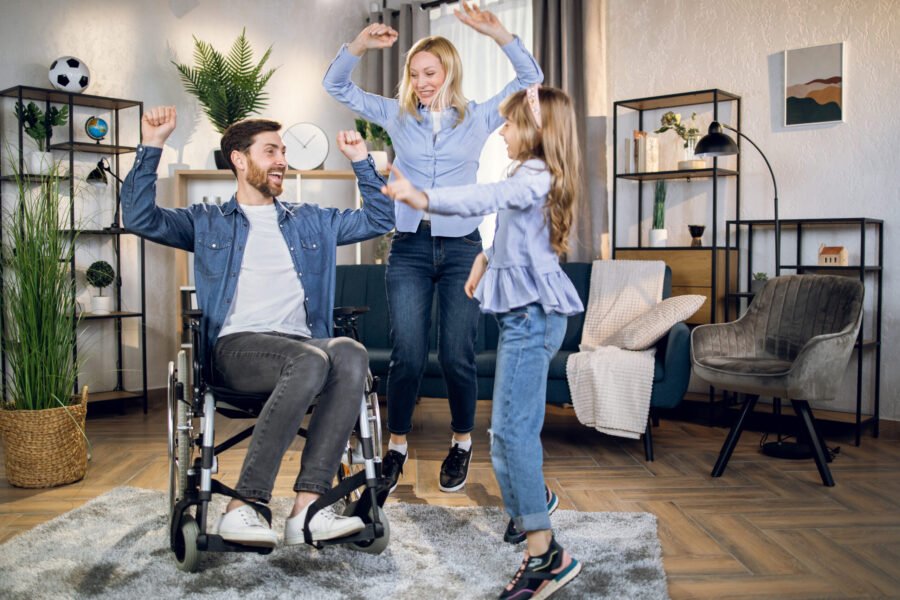
Accessible indoor activity for people with mobility challenges.

When people hear the word movement, they often picture rigid routines, repetition, or activities that feel more like chores than enjoyment. For seniors experiencing mobility changes, this can make staying active feel overwhelming—or simply unappealing.

The good news? Movement doesn’t have to be boring. In fact, it can be fun, social, creative, and something to actually look forward to.

The key isn’t how hard you move—it’s how engaged you feel while doing it.

Rethinking What “Movement” Really Means

Movement isn’t just exercise classes or walking laps. It’s any activity that gets your body involved in what you enjoy doing.

That might include:

  • Stretching while watching a favorite show
  • Tapping your feet to music
  • Seated dancing
  • Light movement during games
  • Reaching, turning, or standing briefly with support

If your body is participating, you’re moving—and that counts.

Make It Fun by Pairing Movement with Enjoyment

One of the easiest ways to make activity enjoyable again is to combine it with something you already love.

Move with Music

Music naturally invites movement. Try:

  • Toe‑tapping to favorite songs
  • Gentle arm movements to rhythm
  • Chair dancing (no choreography required!)
  • Creating playlists by decade or mood

Music adds joy, memory, and energy to even the smallest movements.

Move While You Watch

Watching TV? Great, add gentle movement:

  • Marching legs during commercials
  • Arm raises during show openings
  • Stretching during calmer scenes

Watching a favorite game

  • Complete a movement for every penalty
  • Perform 6 arm raises for every goal
  • Complete 10 reps of marching legs for every touchdown

Celebrate Small Wins (They Matter More than You Think)

Progress doesn’t require dramatic milestones. It happens in small, steady moments:

  • Moving a little longer than yesterday
  • Trying something new
  • Feeling more confident while moving
  • Showing up consistently

Every effort deserves recognition.

Ditch the “All or Nothing” Mindset

You don’t need to:

  • Move for long periods
  • Follow strict routines
  • Compare yourself to others
  • Push through discomfort

Movement should feel supportive, not stressful. A few minutes a day—done consistently—can be far more meaningful than occasional bursts of intensity.

Enjoyment Leads to Consistency

The most important part of staying active isn’t motivation or willpower—it’s enjoyment.

When movement feels fun:

  • You’re more likely to repeat it
  • Confidence develops naturally
  • Activity becomes a habit, not a task

The goal is not perfection—it’s participation.

A Simple Takeaway

Movement doesn’t need to look a certain way to be valuable. When activity is paired with enjoyment, comfort, and confidence, it becomes something to look forward to—not something to avoid.

Staying active at your own pace, in your own way, and with support when needed can bring energy, joy, and a renewed sense of independence.

Because movement doesn’t have to be boring—it just has to feel right for you.
Leave a Reply

Your email address will not be published. Required fields are marked *

Recent Posts

Unlock Better Sleep with the Simple Act of Walking

At Medthera Inc., we understand how essential a good night’s sleep is to your overall health...

Understanding Muscle Stiffness After Stroke: How to Treat Spasticity

Muscle stiffness is often a sign of a common secondary effect of stroke called spasticity...
Kevin shares his inspiring full testimony at WalkPort.

We had the privilege of trying out Medthera’s new WalkPort machine for 30 days. First look at this product had me amazed at how compact it is, while adding more natural leg action into the design that can easily be adapted from a 6-foot patient to my 5-foot 2-inch wife. My wife, LuAnne, has been in physical therapy for 36 months. In that time, we have used 3 different styles of machines, most of which required one or two therapists to get her into. One took over 20 minutes to go from wheelchair to harness to the machine. Once in, one of the therapists would control the speed while the other would make sure LuAnne was OK and, in some cases, moving her leg. WalkPort does a fantastic job of addressing all the problems I have seen in the current style of machines on the market today.

The 3 area’s that I feel make it stand out.

1. The design is so easy to adjust to fit the patient. Once set up, the patient can do as much of the transfer from the wheelchair to the WalkPort as their disability will allow. In our case, LuAnne can roll up to the machine and get into the seat on her own. We have to position her right leg, which is paralyzed, into position and secure her foot. Once that is done, she can get herself to a standing position and start the motion of walking with no assistance from us. This allows her to walk for around a half hour quite easily.

2. The motion of the legs, knee and ankle is so close to actual walking movement, helping her re-establish the motor function of walking in her brain. The muscle gain and stamina were rather noticeable every day with major improvements over the course of our time with WalkPort. Towards the end of our 30 days, we had to limit LuAnne to an hour in the evening sessions as she was enjoying it so much.

3. The last and probably most valuable aspect is the attitude/excitement LuAnne expressed. She was incredibly proud of the work she was doing, especially how much of it she could perform unassisted. She always had a bright smile on her face when using the machine. She had gained such a boost in confidence while doing her exercises, from maneuvering around the machine on her own, to holding a standing position, to starting the motion of walking without assistance. She was very empowered seeing how much progress she was making on her own.

The size of this machine is about one-third the size of the other machines we had tried in the past. The first day we were introduced to the machine, LuAnne was in it and walking on her own within minutes. No motors controlling her stride. The enjoyment we saw on her face was so nice to see. Something else my daughter noticed was LuAnne walking forward for a while, then stopping and starting to walk backwards. I am not a therapist, but this seems to be a big deal to me.

In the end, LuAnne was able to gain muscle in her right leg and increase her stamina. We are still working on her walking on her own, but I am sure using this machine will reduce the time it will take to get to the next level of recovery.