
HEALTH BENEFITS
Unlock the
Power of Walking
Research shows regular walking offers a wide range of physical and mental benefits.
BLOOD CIRCULATION
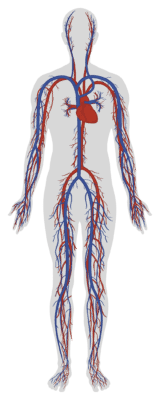
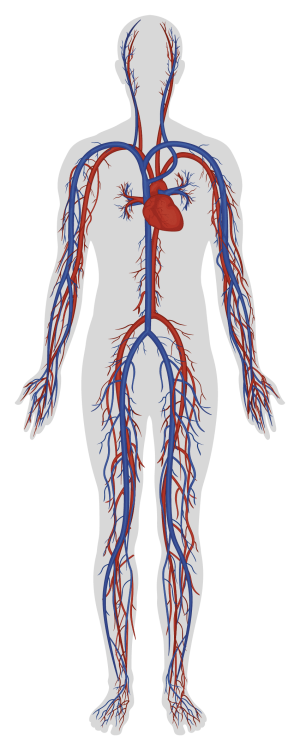
Circulatory
Regular walking supports healthy circulation, muscle strength and overall well being. Here is what walking can do for your body, based on general walking research.
Walking helps promote healthy blood flow throughout the body. With each step, circulation increases, delivering oxygen and essential nutrients to tissues that need them most. Over time, this improved blood flow supports heart health, may help lower blood pressure, and can reduce the risk of cardiovascular issues.
Your leg muscles also play an important role as a natural pump. As they contract and relax during walking, they gently compress the veins in your legs, helping move blood back toward the heart. This process is especially beneficial in areas where circulation tends to be slower, such as the lower legs and feet.
Regular walking may also encourage the development of collateral circulation—small, alternative pathways that allow blood to flow around areas with reduced supply. This can be particularly helpful for individuals experiencing poor circulation or conditions that affect blood flow to the legs and feet.
LUNG HEALTH
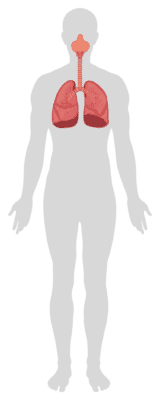
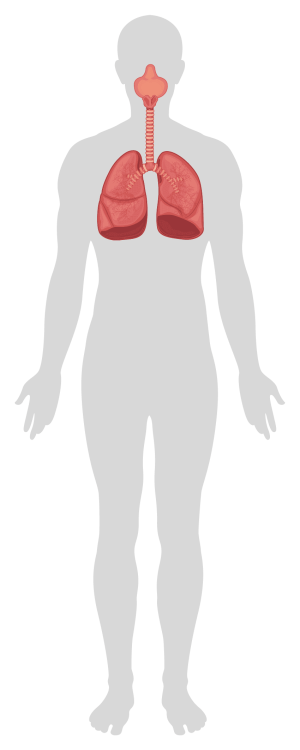
Respiratory
Walking strengthens your lungs and improves how efficiently your body uses oxygen. As your breathing rate increases during walking, your lungs work harder, helping improve their capacity and overall function.
Regular walking trains your respiratory muscles. The muscles involved in breathing — including the diaphragm and intercostals — become stronger and more efficient, making breathing feel easier over time.
Walking also helps your body clear out stale air and bring in fresh oxygen. This improved airflow supports better gas exchange in the lungs, which can enhance endurance and reduce feelings of breathlessness during daily activities.
For individuals with mild respiratory limitations, walking can support healthier breathing patterns. Gentle, rhythmic movement encourages steady, controlled breathing and can help improve tolerance for physical activity.
BRAIN AND NERVE HEALTH
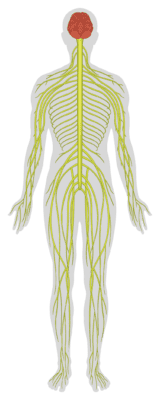
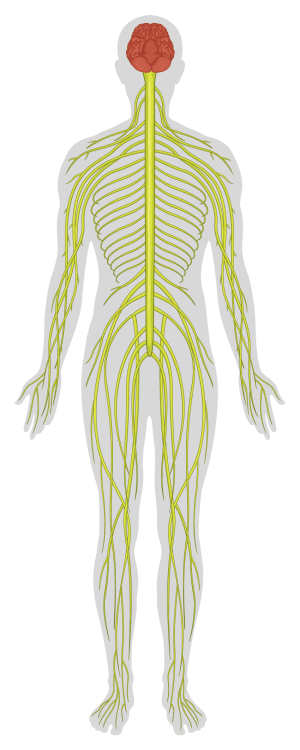
Nervous
Walking supports the health of your nervous system by improving communication between your brain and muscles. Research describes rhythmic, repetitive movement as a way to engage the neural pathways involved in coordination, balance, and motor control.
Walking increases blood flow to the brain, which helps deliver oxygen and nutrients that support cognitive function. This can enhance mental clarity, focus, and overall brain health.
Regular walking also helps regulate the nervous system’s stress response. Light physical activity encourages the release of endorphins—your body’s natural “feel‑good” chemicals—which can reduce tension, improve mood, and support emotional well‑being.
Research on walking also describes effects on neuroplasticity, the brain’s ability to form new connections and adapt over time. These findings come from published research on walking in general, not from studies run on WalkPort, and individual results vary.
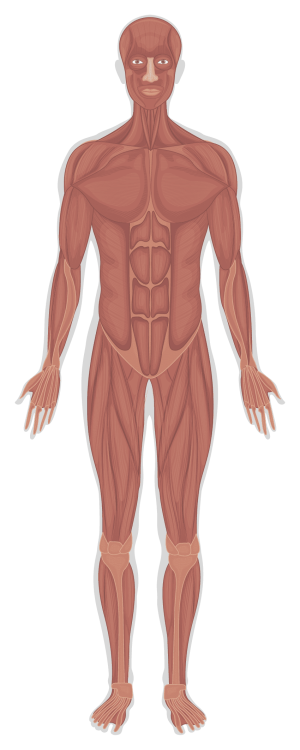
MUSCLE STRENGTH
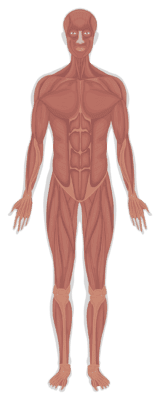
Muscular
Walking strengthens major muscle groups throughout the body. Each step engages the muscles in your legs, hips, and core, helping build endurance and stability over time.
Regular walking improves muscle tone and flexibility. The continuous, controlled motion helps keep muscles warm and moving through their normal range, which can reduce stiffness and support smoother movement.
Walking also enhances muscular coordination. Because it requires your muscles to work together in a rhythmic pattern, it improves how efficiently they activate and support your body during daily tasks.
Consistent walking helps reduce muscle fatigue. As your muscles get stronger and more conditioned, they can handle longer periods of activity with less effort, making movement feel easier and more natural.
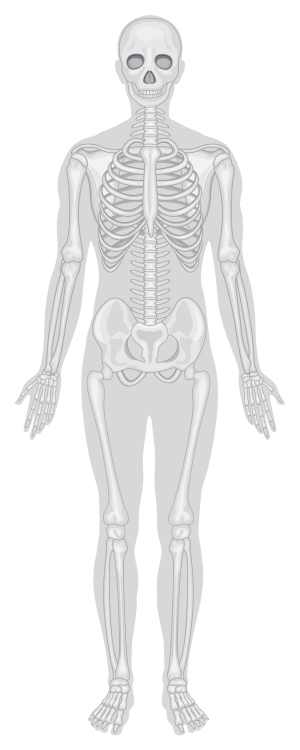
BONE AND JOINTS
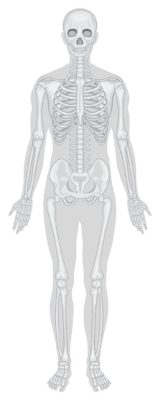
Skeletal
Walking helps strengthen your bones by applying gentle, consistent weight‑bearing pressure. This stimulates bone‑building cells, helping maintain bone density and reduce the risk of osteoporosis as you age.
Regular walking supports healthy joints. The movement increases the flow of synovial fluid—the natural lubrication inside your joints—which can reduce stiffness and improve comfort during daily activities.
Walking also enhances alignment and posture. As you walk, your body works to maintain an upright position. This supports proper spinal alignment and reduces strain on the hips, knees, and lower back.
The natural rhythm of walking helps improve overall skeletal stability. Stronger bones and well‑supported joints contribute to better balance and a lower risk of falls.
IS WALKPORT RIGHT FOR YOU?
Not Sure If WalkPort
Is Right for You?
Is Right for You?
Taking the next step toward independence is an important decision. Here is a simple way to think about it. WalkPort is likely a strong fit for your facility or your loved one if:
- Has SCI, stroke, MS, Parkinson’s, or a similar condition affecting mobility
- Wants to continue walking or gait therapy independently
- Can transfer independently or with minimal assistance
- Is motivated to walk daily and regain independence
- Has been told by a physical therapist that walking therapy would benefit them
WalkPort may not be the right fit yet if you require full mechanical ventilation, cannot bear any weight, or need 24-hour intensive medical supervision.
Still not sure?
We will ask you a few questions and give you an honest answer, even if that answer is that WalkPort is not the right fit for you right now.
No pressure. No sales pitch. Just an honest conversation about whether WalkPort can help you or your loved one move forward.
EXPERIENCE WALKPORT YOUR WAY
Schedule a WalkPort
Demo Today
No commitment. No pressure. Just WalkPort in action.