Recovering from a stroke can feel overwhelming, especially when mobility is affected. Walking, something many of us once took for granted, often becomes a central goal of rehabilitation. The good news? Research consistently shows that walking plays a critical role in rebuilding strength, promoting independence, and improving overall quality of life for stroke survivors.
Below, we explore the key benefits of walking after a stroke and why it deserves a dedicated place in every recovery plan.
- Walking supports Mobility, Balance, and Gait Recovery
Stroke survivors often struggle with reduced gait speed, endurance, and balance. Walking practice directly targets these impairments, helping retrain the brain and body to move efficiently again. Studies show that impaired gait is one of the most common challenges post‑stroke, affecting up to 80% of survivors. Improving gait speed and endurance is strongly linked to better overall health, reduced fall risk, and greater independence.
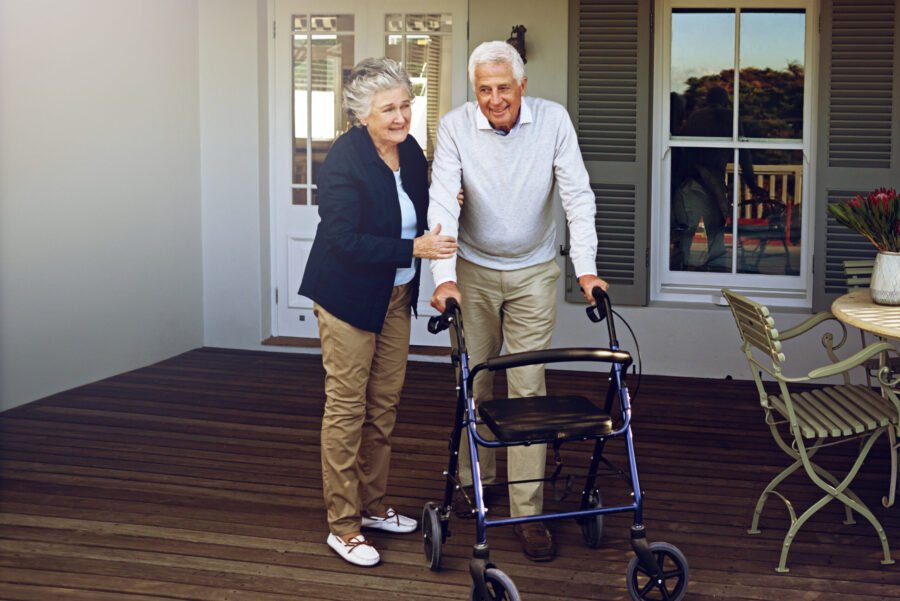
Additionally, walking with or without assistive devices helps stroke survivors correct mobility issues such as reduced step length, cadence, and walking velocity. Walking aids can significantly support balance and gait safety during early rehabilitation.
- Walking Boosts Cardiovascular Health and Endurance
Cardiovascular fitness often declines after a stroke due to reduced activity. Walking provides a safe, accessible way to build endurance and improve heart health.
Clinical guidelines emphasize that intensive walking practice—including treadmill training or real‑world walking—helps rebuild strength, stamina, and cardiovascular efficiency. Real‑world walking, such as navigating uneven surfaces or inclines, also has meaningful impact on functional independence in daily life.
- Walking Enhances Quality of Life
Mobility isn’t just physical, it affects emotional well‑being, confidence, and social engagement. Research shows that stroke survivors who incorporate structured walking into their rehab experience better quality of life and greater participation in community activities.
A large real‑world trial found that adding 30 minutes of progressive walking exercises significantly improved gait speed, balance, mobility, and overall quality of life by discharge from rehabilitation.
Walking also fosters a sense of independence. Survivors consistently cite walking proficiency as a top priority because it restores freedom and reduces dependence on caregivers.
- What Research Says About Walking in the Early Months After a Stroke
The first few months after a stroke are crucial—this is when the brain is most responsive to repeated practice.
Research describes structured, progressively challenging walking as a way to engage neuroplasticity, the brain’s ability to adapt over time. Evidence shows that rehabilitation programs incorporating intensive walking lead to better endurance and reduced disability long‑term.
- Walking helps Address Common Post-Stroke Impairments
Recent studies highlight persistent issues such as shorter step length, slower walking speeds, and poor balance among stroke survivors. Walking-focused rehabilitation can directly target these impairments.
A 2026 cross‑sectional study found that survivors had significantly reduced cadence, speed, and stride length—but these are precisely the parameters that improve with consistent walking training and individualized rehabilitation programs
Every Step Matters
Walking is more than just movement—it’s a path toward independence, confidence, and a healthier future after a stroke. Whether practiced with assistive devices, in a clinical setting, or out in the community, consistent walking offers measurable benefits in physical function, emotional well‑being, and long‑term recovery outcomes.
If you or a loved one is recovering from a stroke, talk with a rehabilitation specialist about creating a safe, structured walking plan. Every step truly contributes to healing. For people who need help staying upright, a supported walk station like WalkPort makes daily walking practice possible at home.
Sources:
4.22 Walking – National Clinical Guideline for StrokeWalking Exercises Improve Stroke Rehab | Powers Health