Muscle stiffness is one of the most common changes people notice after a stroke. Often, it is caused by a condition called spasticity. According to the American Stroke Association, about 25% to 43% of stroke survivors have spasticity in the first year after their stroke.
This article explains what spasticity is, the signs to watch for, how it can affect daily life and the treatment options to discuss with your care team.
Quick answer
Spasticity is a common condition after stroke that makes muscles stiff or tight, most often in the elbow, wrist and ankle. The American Stroke Association reports that 25% to 43% of survivors have it in the first year. Treatment is usually a combination of options, such as stretching and exercise, injections, medication and braces, chosen with your care team.
What Is Spasticity?
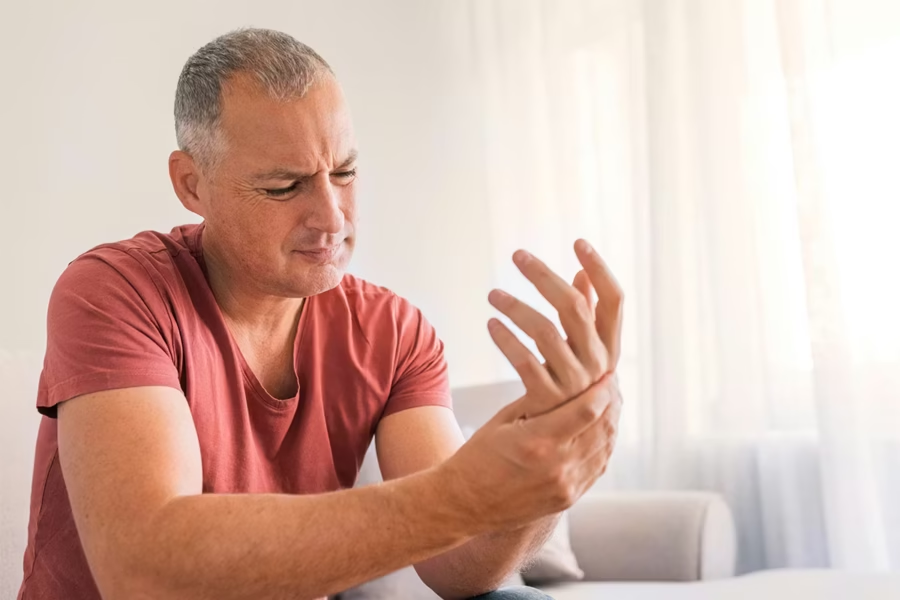
Spasticity causes stiff or rigid muscles. It happens when a muscle tightens on its own, without you meaning it to, when you move. After a stroke it most often affects the elbow, wrist and ankle.
When a muscle cannot move through its full range of motion, the tendons and soft tissue around it can also become tight. That makes stretching the muscle harder over time.
Signs and Symptoms of Spasticity
The American Stroke Association lists these common symptoms:
- Painful muscle spasms
- Difficulty stretching the muscle
- Stiffness in the arm, hand, leg and ankle
- An arm held folded against the chest, with a curled wrist and fingers
- A tight fist
- A pointed foot or curled toes
- A bent elbow
- Overactive reflexes
- Less use of the affected arm or leg
If you notice any of these, tell your doctor or therapist. Assessment and diagnosis are the first steps toward a treatment plan.
How Spasticity Can Affect Daily Life
Spasticity can make everyday tasks like bathing, eating and dressing much harder. These limits can add to the work of caregivers and lower quality of life.
If spasticity is not treated, joints in the arm or leg can become stuck in an abnormal and sometimes painful position. This is called a contracture. Treating spasticity with the help of your care team can help prevent it.
Treatment Options for Spasticity
There is no single treatment for everyone. Treatments are often combined based on your goals, how severe the spasticity is and your overall health. The American Stroke Association describes these options:
- Stretching and exercise. Stretching helps keep the full range of motion and prevents permanent muscle shortening.
- Botulinum toxin injections. These relax an overactive muscle group by blocking the nerve signal. Side effects are usually minimal, though the injection site may be sore.
- Oral medications. These help calm the nerve signals that tell muscles to contract. Side effects can include weakness, drowsiness or nausea.
- Electrical stimulation. Neuromuscular electrical stimulation (NMES) combined with therapy may improve spasticity, but there is not enough evidence that it improves walking or hand use.
- Intrathecal baclofen. A small surgically implanted pump delivers medication to the spinal cord. It is used for people who did not respond well to, or had side effects from, other treatments.
- Braces. These hold a muscle in a normal position to keep it from contracting.
- Serial casting and splinting. May be considered for mild to moderate elbow and wrist contractures, but not recommended for reducing wrist and finger spasticity in the hand.
- Surgery. May be considered when there are contractures and related pain.
Talk with your healthcare professional about which options fit you, and check in regularly so your plan can change as you progress.
Living With Spasticity at Home
Assistive devices and simple home changes can make daily life safer. Physical and occupational therapists can recommend the right aids and make sure they fit properly. Common home changes include ramps, grab bars, raised toilet seats, a shower or tub bench, and nonslip strips in the bathtub.
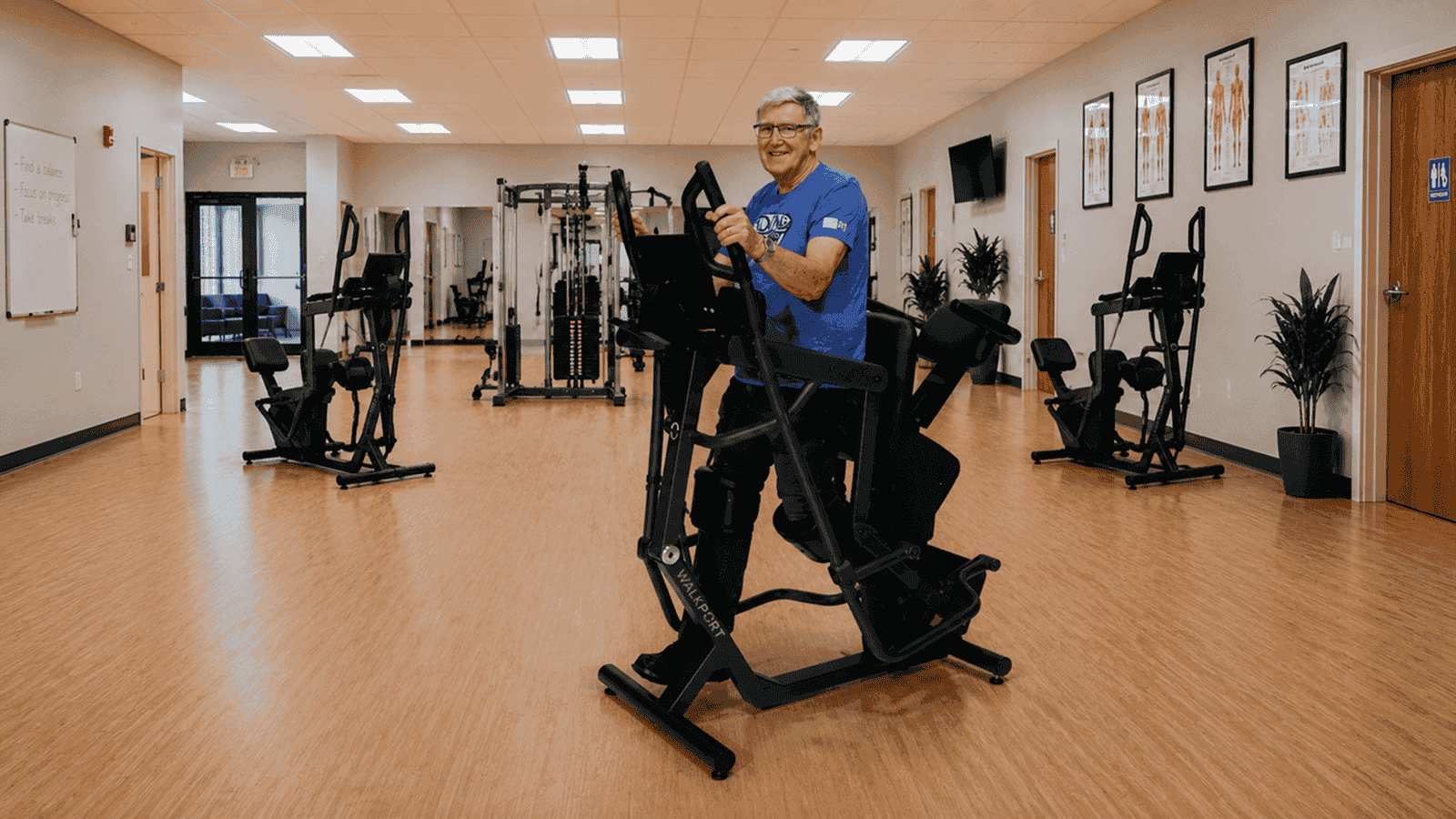
Many survivors also want a way to keep standing and moving every day between therapy visits. A supported walk station like WalkPort supports the body so people can practice standing and walking at home. Ask your therapist whether it fits your plan, and always follow their advice about limits and safety. You can also read more about the benefits of walking after a stroke.
Frequently Asked Questions
How common is spasticity after stroke?
According to the American Stroke Association, about 25% to 43% of survivors have spasticity in the first year after their stroke. It is more common in younger stroke survivors.
Which muscles does spasticity usually affect?
The American Stroke Association says spasticity after stroke commonly affects the elbow, wrist and ankle. Stiffness can show up in the arm, hand, leg and ankle.
How is spasticity after stroke treated?
Treatments are often combined based on your goals, how severe the spasticity is and your overall health. Options include stretching and exercise, botulinum toxin injections, oral medications, electrical stimulation, intrathecal baclofen, braces, serial casting and splinting, and in some cases surgery. Your healthcare team can help you choose.
Can stretching help muscle stiffness after stroke?
Yes. The American Stroke Association explains that stretching helps maintain full range of motion and prevents permanent muscle shortening. A physical or occupational therapist can show you safe stretches to do every day.
Source: American Stroke Association, Spasticity (last reviewed August 11, 2025)
This article is general information, not medical advice. Results vary from person to person, so talk with your care team about what is right for you.